Updated February 21, 2024 12:25PM
Struggling on Steeps and in the Bumps? The Short-Radius Turn Is the Solution
Understand the importance of short radius turns, emphasizing their tactical benefits and skills needed to execute them effectively in steeps and moguls.
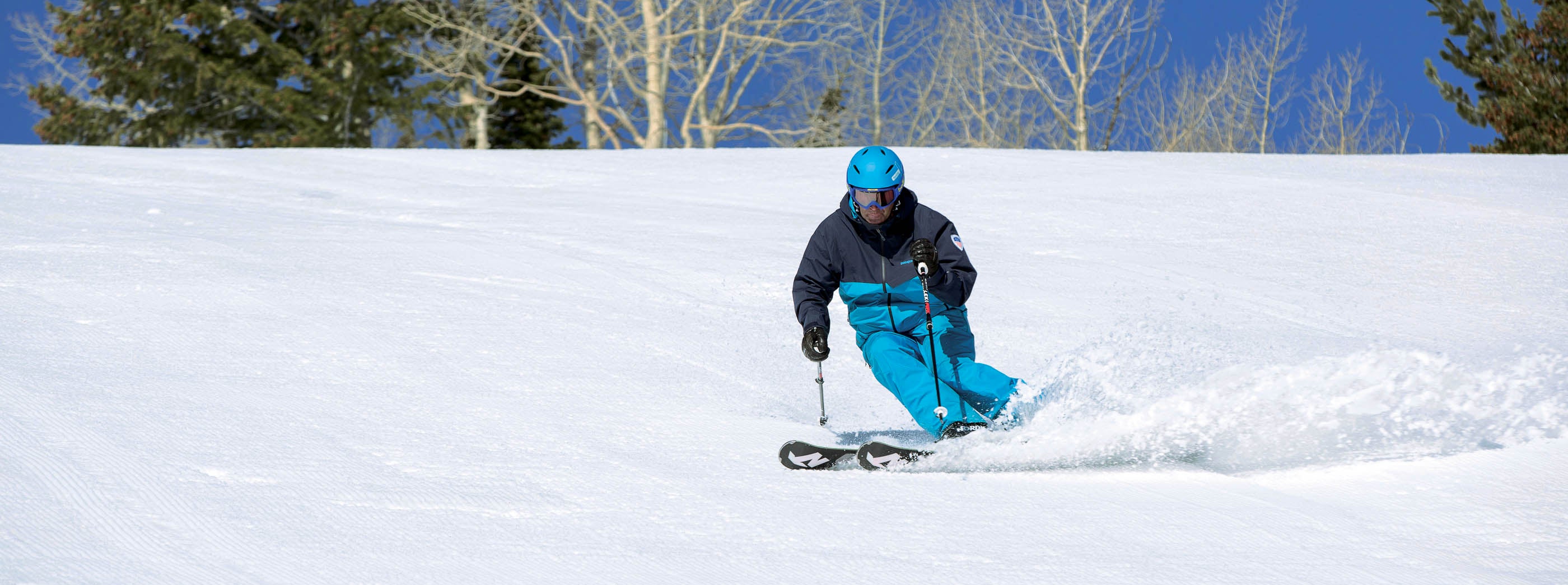
Professional instructor and PSIA Alpine Team Coach Michael rogan demonstrates textbook form while performing a short-radius turn. (Photo: Keri Bascetta)
Modern skiing had lost the short-radius ski turn as a trusted ally—one that was there for us when we needed a special tool to deal with special circumstances. Gone are the days of making short turns at the run’s edge, where the best snow resides until the last hours of the day. Wide skis have all but killed the desire to execute short radius turns, as skiers can now skid sideways to get through, around, or over obstacles. Unless you ski moguls regularly, you might not even know what a short turn really is. Short-radius ski turns offer precision and control in challenging terrain, making them a valuable skill to master for all skiers.
Watch: Go from intermediate to expert skier with SKI’s How to Break Through course on Outside Learn.
Short radius turns make for a high-tempo form of skiing. All parts of the turn happen quickly, and the time between turns is minimized. This makes setting up and dialing in positions between turns tricky, which is why you tend to see mostly advanced skiers executing this type of turn.
But there are still tactical benefits to short-radius turns. The best route down the mountain is rarely cut and dried, so your skiing needs to be dynamic and adaptive. When you’re venturing into steep terrain, you often don’t want to have your skis pointed down the fall line too long; short radius turns are a great way to keep your skis pointed across rather than down the hill. But above all, the ability to make short turns adds creativity, adaptability, and versatility to your skiing. Ready to get started? Let’s review the basics.
ADVERTISEMENT
1. A Stable Upper Body
A stable upper body allows you to move your legs independently of your torso. Beginner and intermediate skiers tend to ski with their upper body first, then their lower body second. To be able to ski short turns, you need to be able to turn your lower body first against a stable upper body.
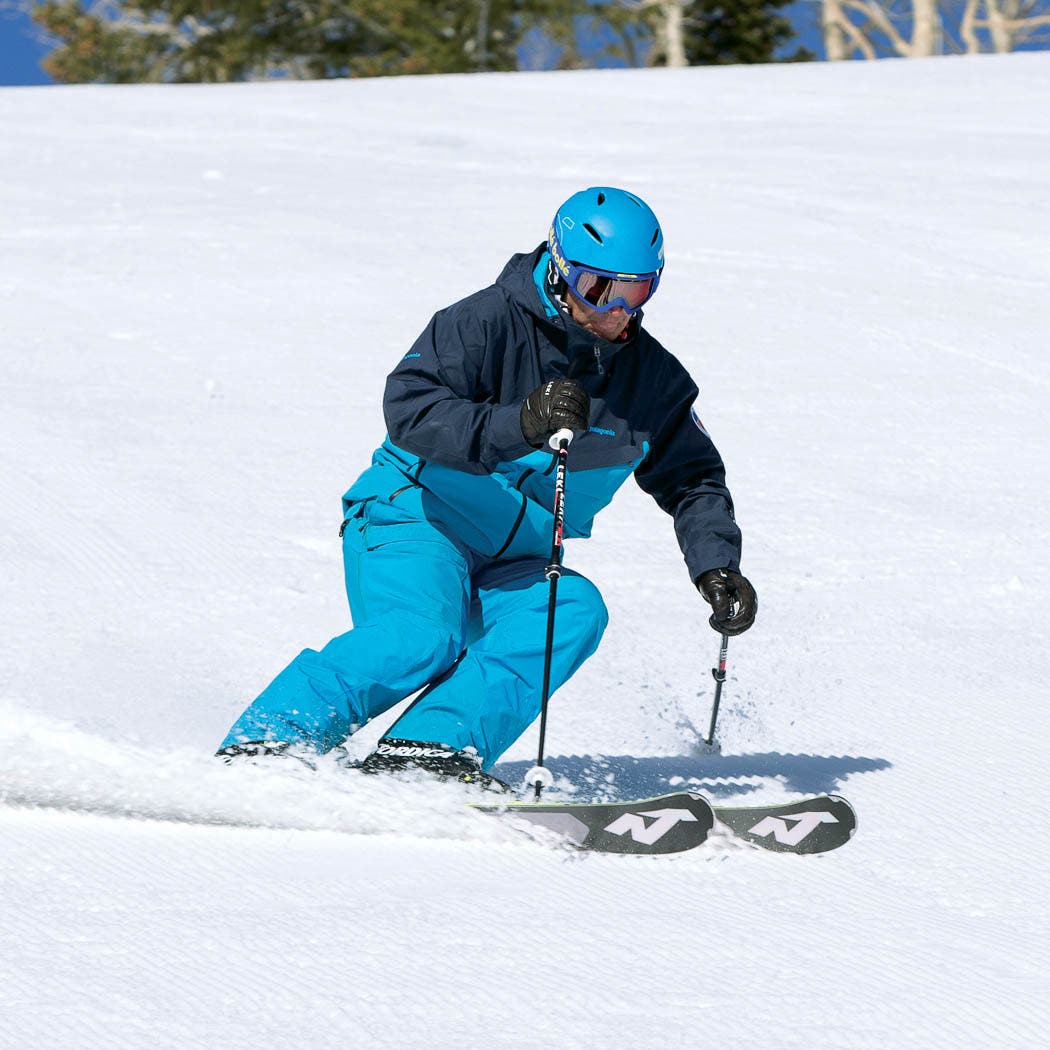
How to maintain a stable upper body:
- Keep your head and shoulders facing down the fall line
- Your jacket zipper should face downhill throughout your entire turn
- Hands remain in your field of view at all times, about hip height
- Engage your entire core
2. Engaged Ankles, Knees, and Hips
You can’t make any turns on skis without engaging these three key joints in the lower body. Your ankles, knees, and hips allow you to set and release edges. Short turns require quick changes of direction.
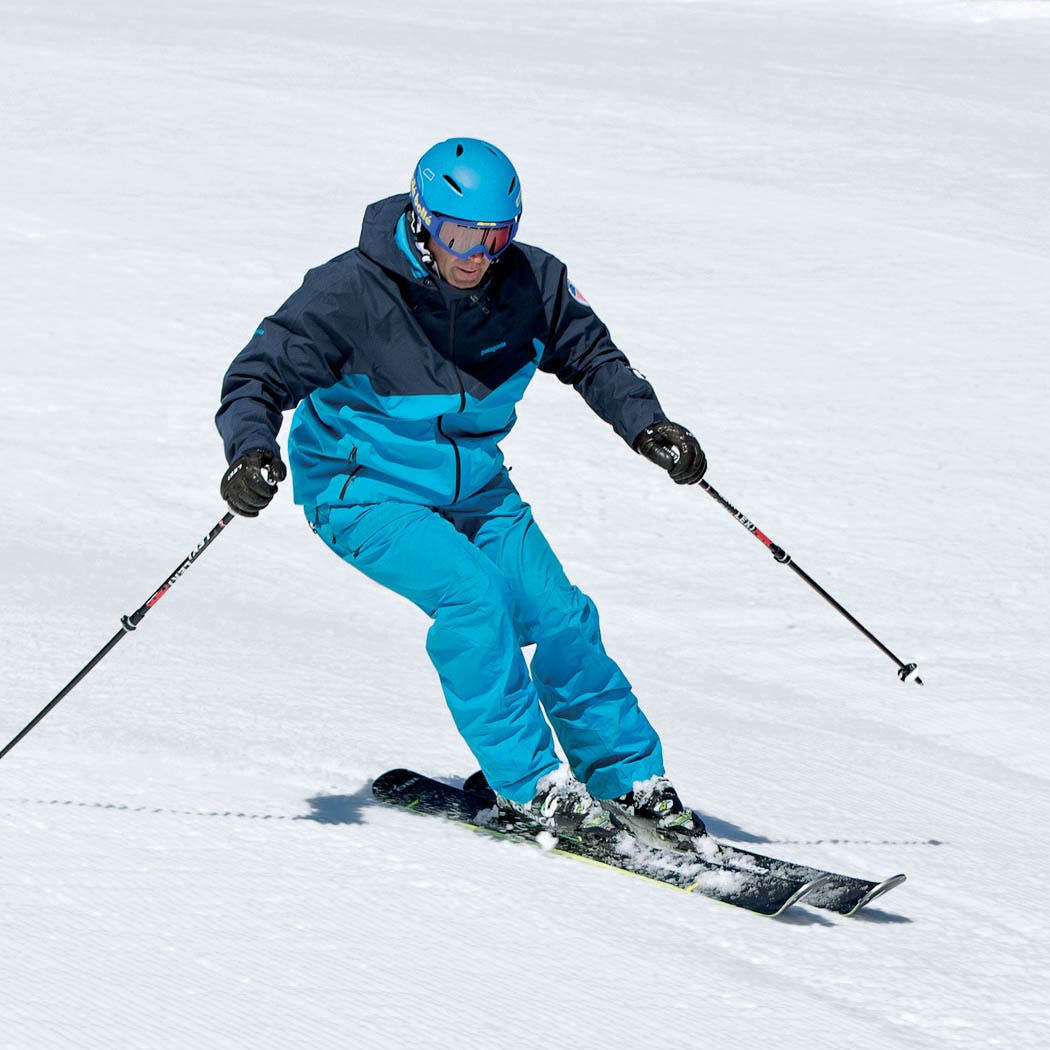
How to engage ankles, knees, and hips during your short radius ski turn:
- All turns—regardless of shape and size—should begin from your ankles; first, roll your ankles, then knees, then hips to set and release edges
- When you get your skis on their edges, the shape of the ski will do the turning for you
- To come out of a turn and begin a new one, gradually roll your ankles, knees, and hips in the other direction to flatten your skis before you begin a new turn
ADVERTISEMENT
3. Balance
One of the skills that separates intermediate from advanced parallel skiers is the ability to stand on and against the outside ski. Dynamic turns, like short turns, depend on the ability to stay balanced against the outside ski. You will struggle to shape your turns if you allow your body to fall inside of your turns.
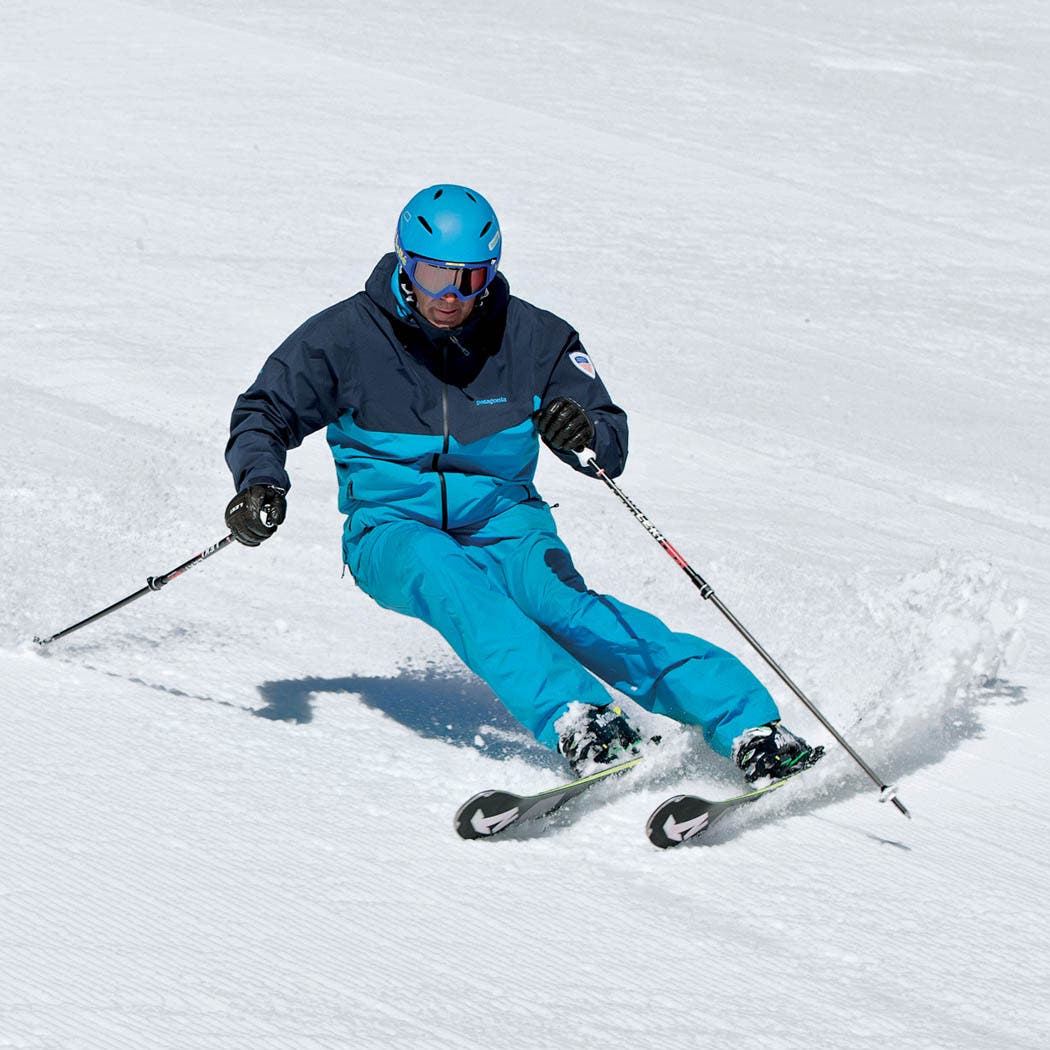
How to shift your weight over the outside ski:
- Engage the muscles over the top of your foot and your shins to help you stay balanced over the middle of your ski
- Keep your head over your outside ski in the middle of your turn. This will ensure most of your weight is shifted over that ski.
A Pole Plant
Ski poles are more than just accessories—they’re integral to everything you do in skiing. First and foremost, pole plants help stabilize the upper body so you can turn your skis beneath you. But they also dictate the rhythm of the rest of your movements throughout the turn and help your body move down the hill.
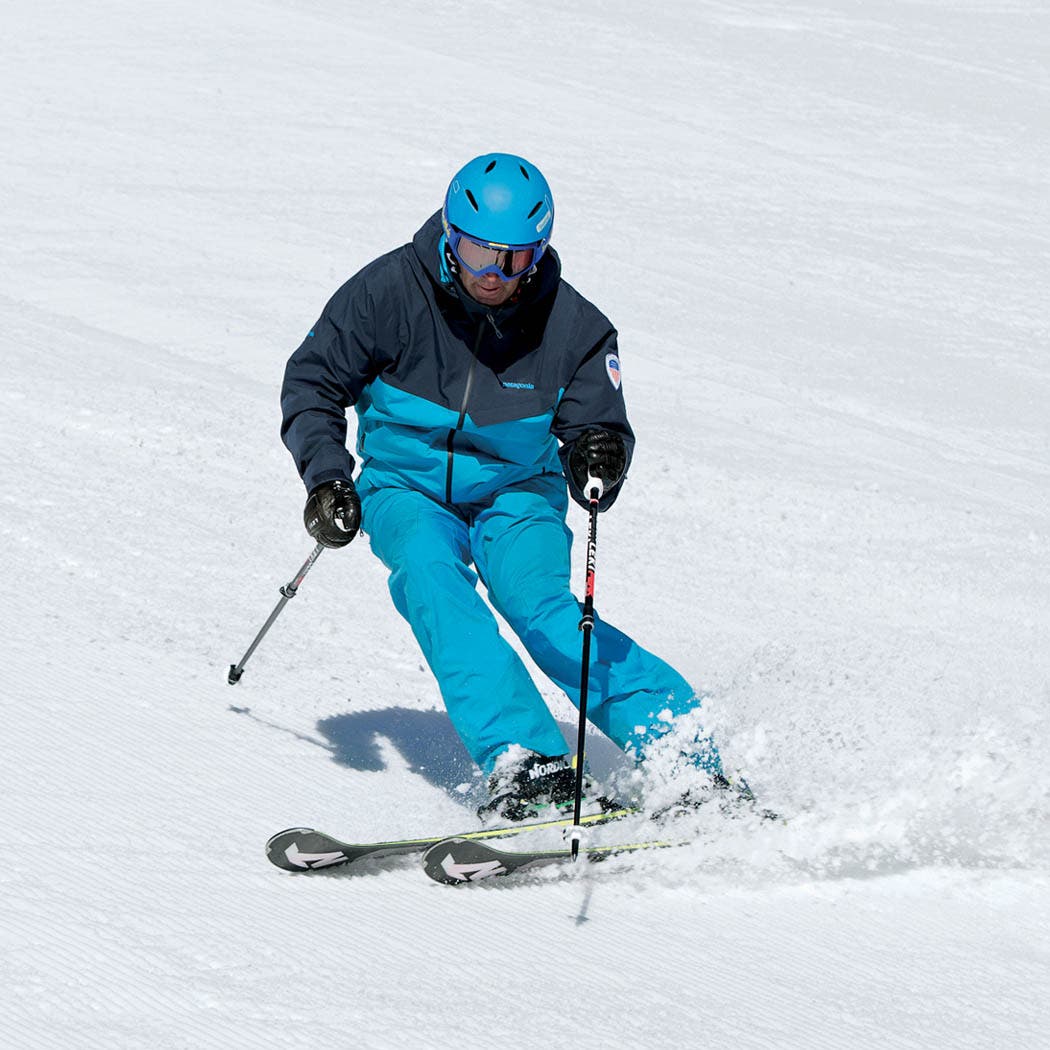
How and when to pole plant in a short-radius ski turn:
- Your ski pole is one of your connections to the snow; treat your pole accordingly and grip it firmly to solidify your connection to the snow
- When your lower body has initiated a turn, swing your pole in front and downhill of you; this only requires a flick of the wrist—avoid big, dramatic swings
- The pole should only briefly make contact with the snow as you keep both hands in your field of view at about hip height; do not drop your pole plant hand after you plant your pole
Want to learn how to make your turns more versatile? SKI teamed up with the Professional Ski Instructors of America (PSIA) to design the online course How to Break Through. Enroll and get in-depth instruction on techniques and tactics to help you level up. Get the goods on Outside Learn.
ADVERTISEMENT
Meet Your Instructor: Michael Rogan
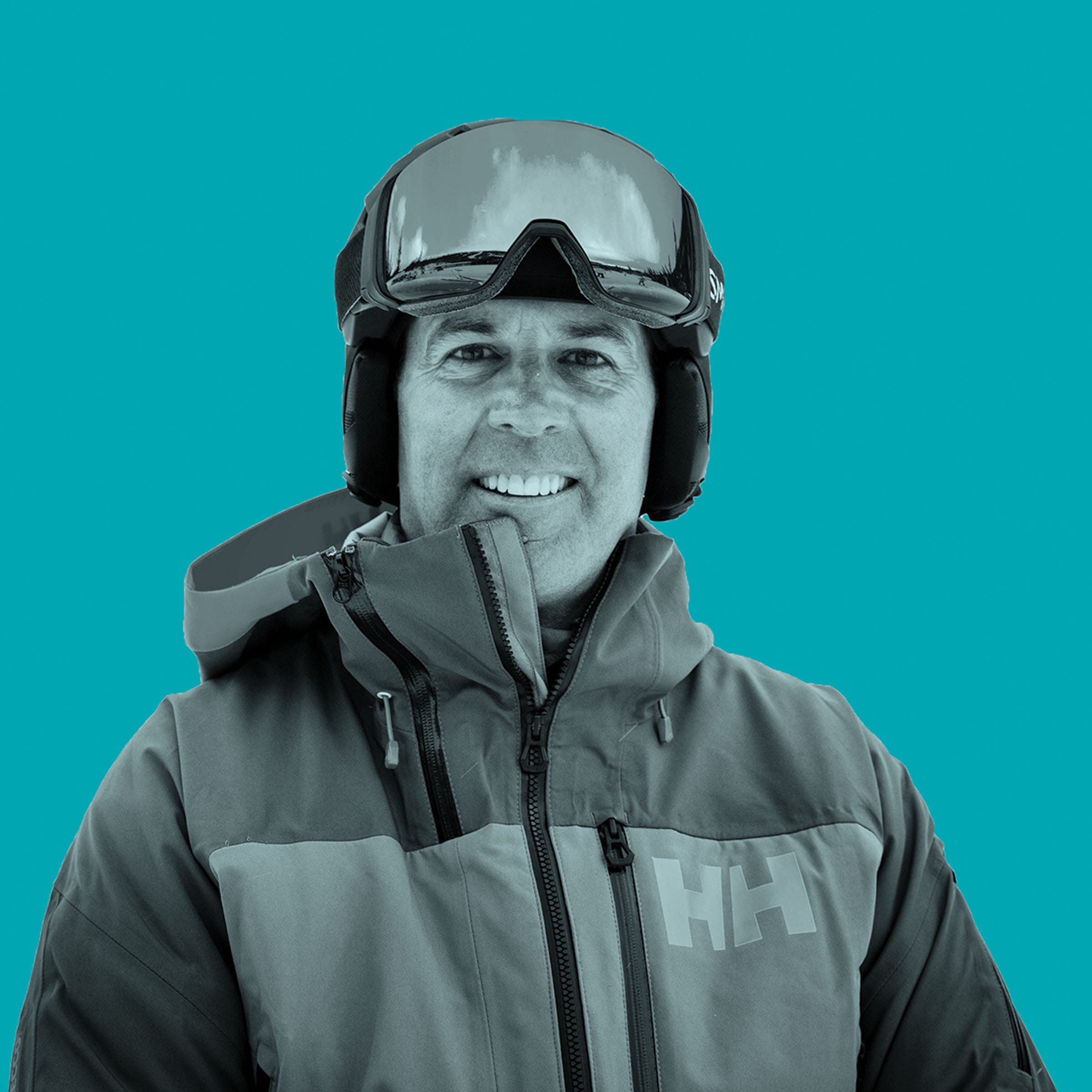
Michael Rogan is the head coach of the Professional Ski Instructors of America Alpine Demo Team and a Special Project Coach for the U.S. Ski Team. Asked to define his personal skiing style, Rogan responds: “I like to side on accuracy, precision, and athletic.”
