Published December 2, 2025 07:45AM
If you buy through our links, we may earn an affiliate commission. This supports our mission to get more people active and outside.Learn about Outside Online's affiliate link policy
The Best New Ski Bindings of 2026
We break down this year’s top new ski bindings, plus what to know about GripWalk, tech toes, and choosing the right setup.
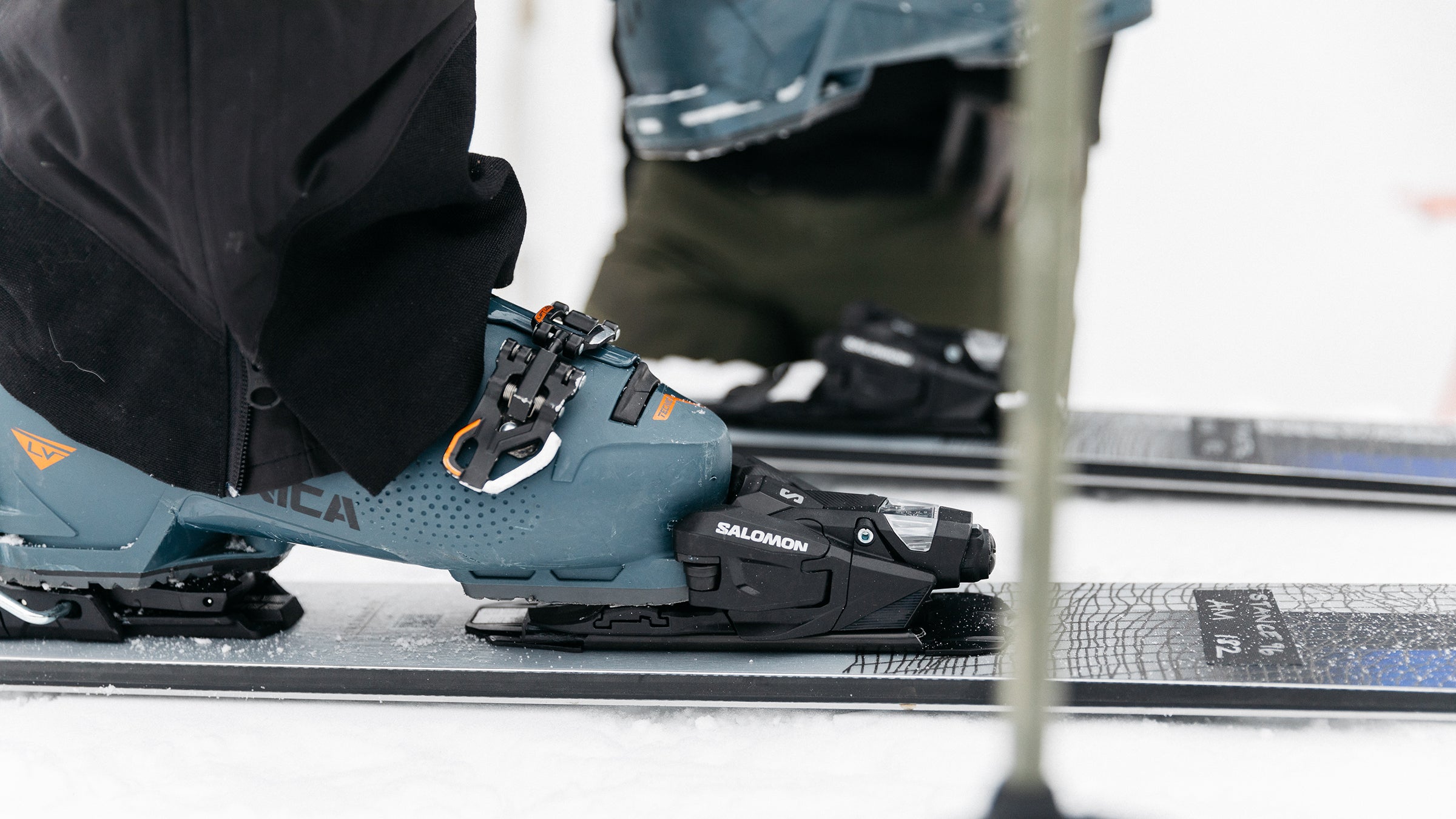
We break down the 6 best new ski bindings of 2026 to help you find the right match for your setup. (Photo: Ray J. Gadd)
Ski bindings may not be the most exciting piece of gear, but they’re among the most important. With all the advances in ski boot technology—like GripWalk soles and tech toe inserts—it’s more crucial than ever to make sure your bindings are up to date. Today’s options range from dedicated alpine bindings to hybrid models that let you charge inbounds and tour uphill, as well as minimalist alpine touring (AT) bindings designed for efficiency on the skin track.
With more choices come more compatibility questions. Not every binding works with every boot sole type, so it’s worth putting as much thought into your bindings as you do into your skis. Start by deciding which type of ski binding you need—alpine, alpine touring, or a hybrid—and double-check compatibility with the ski boots you own or plan to buy. With that in mind, here are the most exciting new ski bindings of 2026.
At a Glance: Best New Ski Bindings
- Best Value: Salomon Strive GW ($240–$280)
- Most Compatible: Salomon Strive MN ($300–$400)
- Best Update: Marker Jester X 16 M-Werks/Griffon X 13 M-Werks ($430–$490)
- Best for Experts: Look Pivot 2.0 GW ($280–$480)
- Most Versatile: Tyrolia Attack Hybrid MN/PT ($579–$629)
- Most Streamlined: Tyrolia Attack LYT GW ($179–$369)
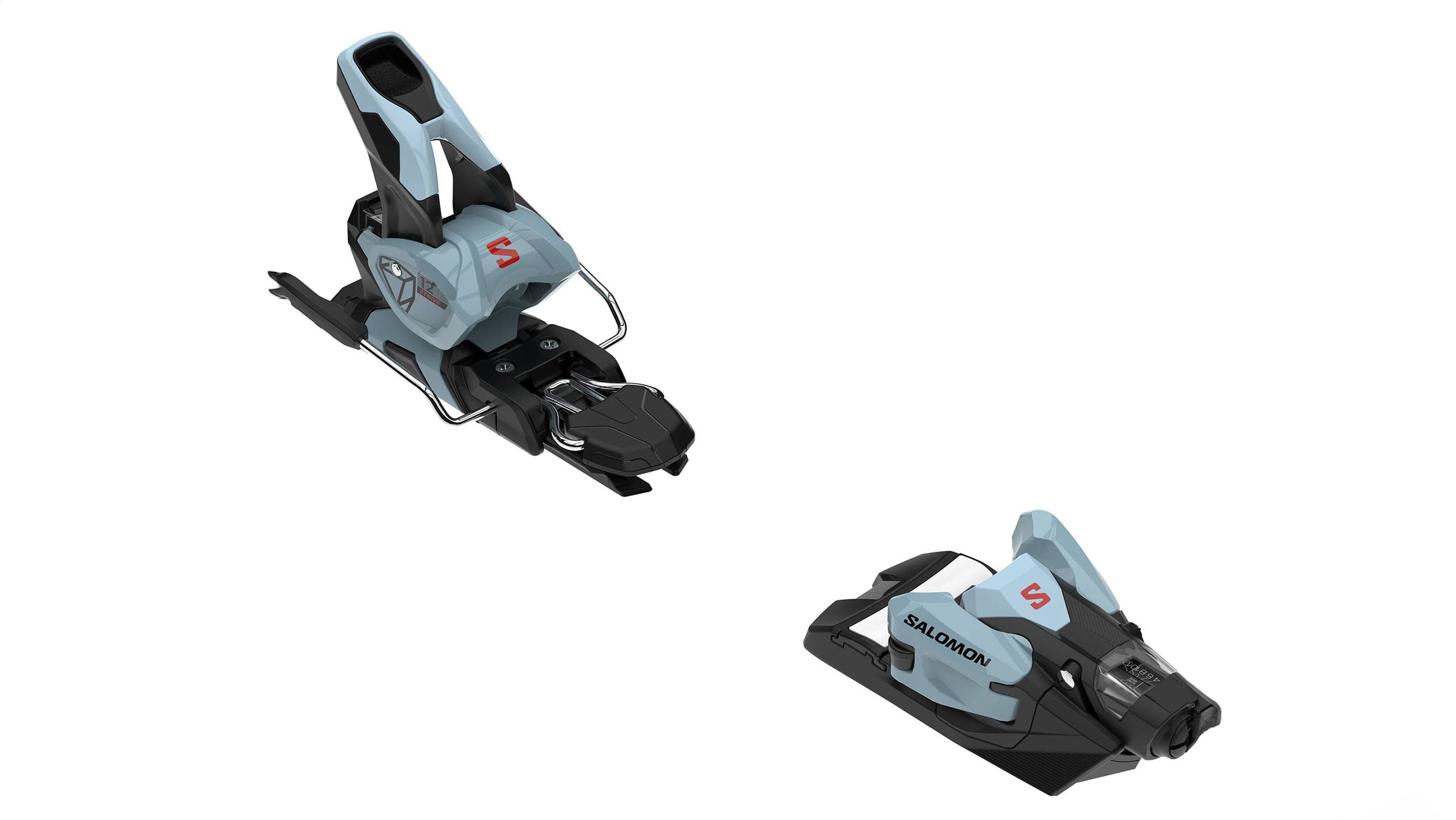
Best Value
Salomon Strive GW
Boot Sole Compatibility: Alpine, GripWalk
DIN Range: 5-14 (Strive 14 GW); 4-12 (Strive 12 GW)
Weight (each): 980 g (Strive 14 GW); 920 g (Strive 12 GW)
Pros and Cons
+ Affordable
+ Lightweight
– Lower DIN ranges
The all-new Strive builds upon Salomon’s streak of delivering high-performance all-mountain bindings at some of the most accessible prices in skiing. The low-profile toe piece drops your center of gravity, giving you a more natural stance and direct connection to the snow. Paired with a lightweight three-piece heel, the Salomon Strive feels lively underfoot, translating subtle movements into confident edge control. This Strive GW is compatible with GripWalk and alpine boot soles and available in two models: the Strive GW 14 with a release range of 5-14 (for heavier, more aggressive skiers); and the Strive GW 12 with a release range of 4-12 (for lighter, less aggressive skiers). Anyone looking for a binding with a release value of higher than 14 should look to the Salomon Strive 16 MN.
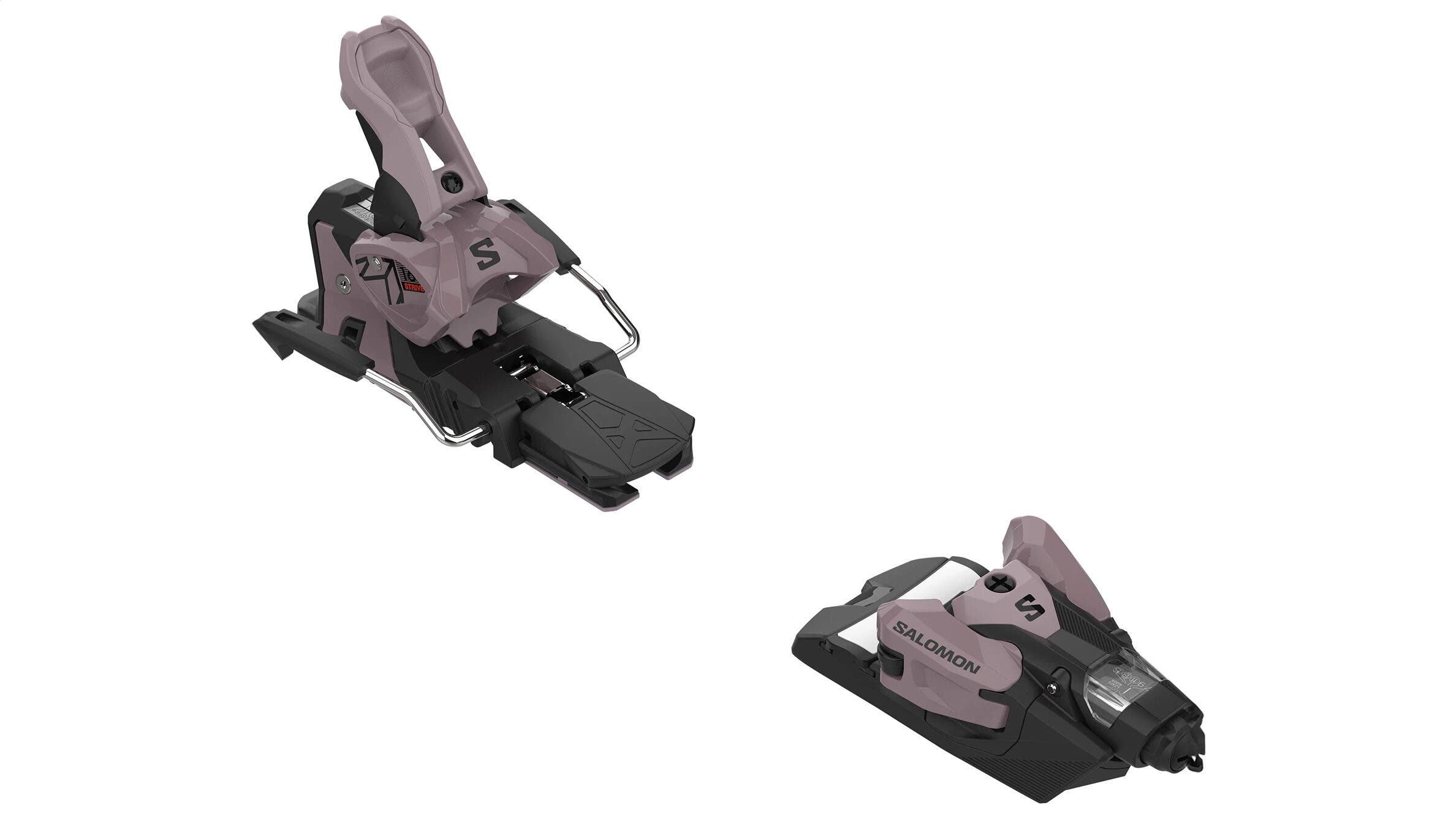
Best Compatibility
Salomon Strive MN
Boot Sole Compatibility: Alpine, GripWalk, Alpine Touring
DIN Range: 7-16 (Strive 16 MN); 5-14 (Strive 14 MN)
Weight (each): 1,125 g (Strive 16 MN); 995 g (Strive 14 MN)
Pros and Cons
+ Also compatible with touring boots
+ Higher DIN ranges
– Overkill for most resort skiers
The Strive 16/14 MN is built with the same features as the GripWalk version but designed to be compatible with touring boots in addition to GripWalk and traditional alpine boot soles. The multi-norm Strive 16/14 is also slightly burlier than the GripWalk versions, with higher DIN scales (7-16 and 5-14, respectively) and a few extra grams (1,125 g and 995 g, respectively). For skiers who want the option to use their touring boots with their resort setup, the Strive 16/14 MN is the move. Downsides: You pay extra for that additional compatibility, so be sure you need a multi-norm binding before you pull the trigger.
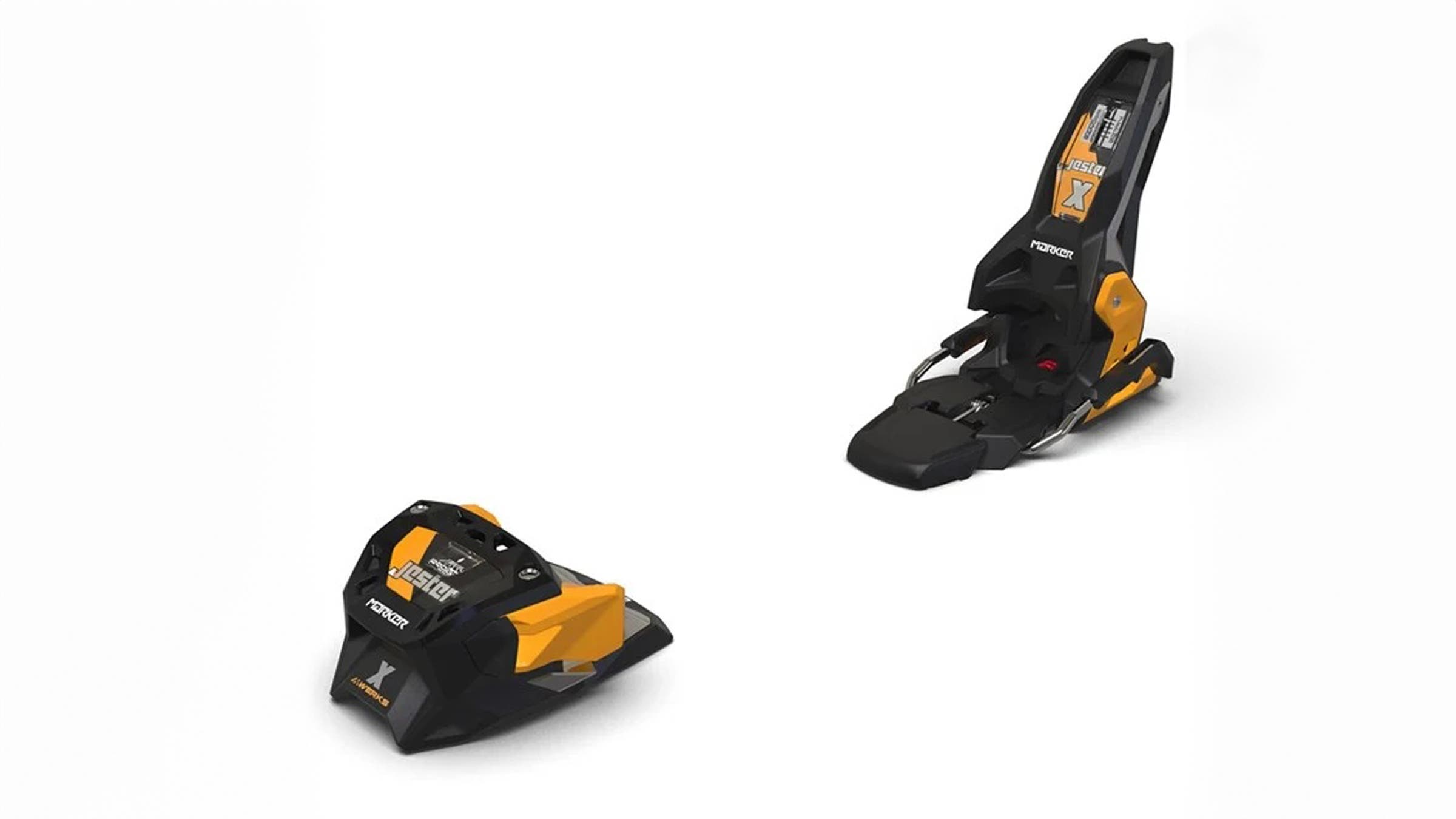
Best Update
Marker Jester X 16 M-Werks / Griffon X 13 M-Werks
Boot Sole Compatibility: Alpine, GripWalk
DIN Range: 6-16 (Jester X 16 M-Werks); 4-13 (Griffon X 13 M-Werks)
Weight (each): 1,130 g (Jester X 16 M-Werks); 1,130 g (Griffon X 13 M-Werks)
Pros and Cons
+ Low stand height
+ Compact, one-piece toe body
– Pricey
For a decade, the Marker Jester and Griffon (same binding with different DIN ranges) was a staple for skiers seeking a lightweight yet durable binding for all-mountain shredding. The all-new Jester X 16 M-Werks/Griffon X 13 M-Werks is a major upgrade: A much lower stand height (just 9 mm in the front, 14 mm in the back) delivers a closer connection to the snow and better power transfer to the skis, while magnesium components (part and parcel in new M-Werks models) make the binding more durable than previous versions that relied on plastic. Bonus: Both the Jester X M-Werks and Griffon X M-Werks are compatible with traditional alpine and GripWalk soles. With a release range of 4-13, the Griffon X 13 M-Werks is ideal for lighter skiers; heavier, chargier skiers should look to the Jester X M-Werks 16 (DIN range of 6-16).
Best for Experts
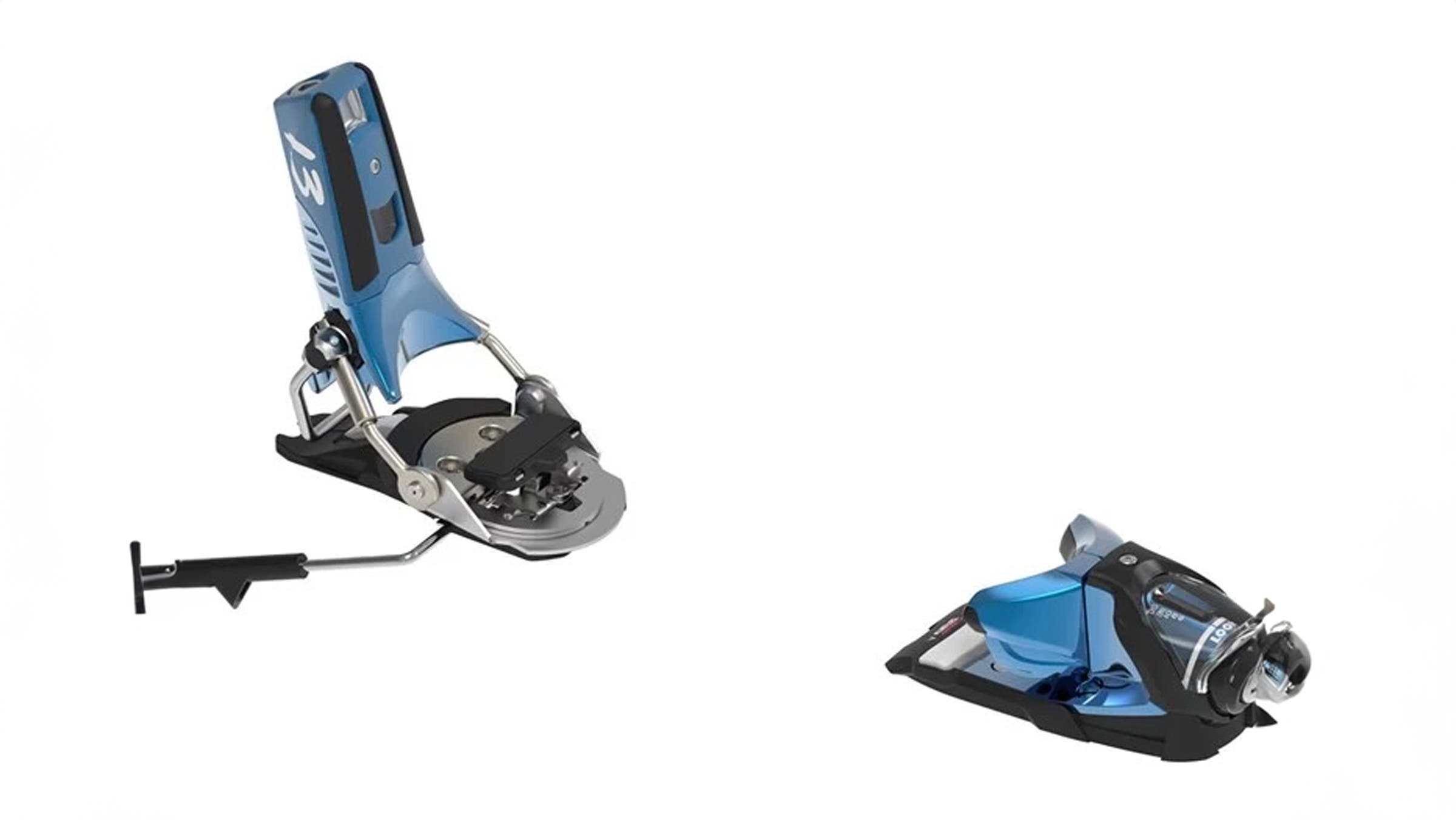
Look Pivot 2.0 18 GW
Boot Sole Compatibility: Alpine, GripWalk
DIN Range: 8-18 (also available in 11, 13, 15 DIN models)
Weight (each): 1,245 g
Pros and Cons
+ Burly and durable
+ Reliable downhill performance
– Heavy
There’s arguably no binding that hard-charging freeskiers trust more than the Look Pivot, which has earned a cult-like following for its flashy colorways as much as its bombproof performance. For 2026, the Pivot 2.0 introduces subtle design tweaks that improve adjustability: extended boot–sole-length adjustments, a new less-finicky DIN setting screw, and a 105-millimeter brake option to better fit a wider range of skis. Otherwise, it keeps all the features that make it a standout for aggressive skiers, including multi-directional release, a heel piece that pivots laterally, and a short mounting zone that preserves the natural flex of the ski. Available in four models with DIN ranges from 18 down to 11 (plus plenty of fun colorways), the Pivot 2.0 is compatible with GripWalk and alpine soles.
Most Versatile
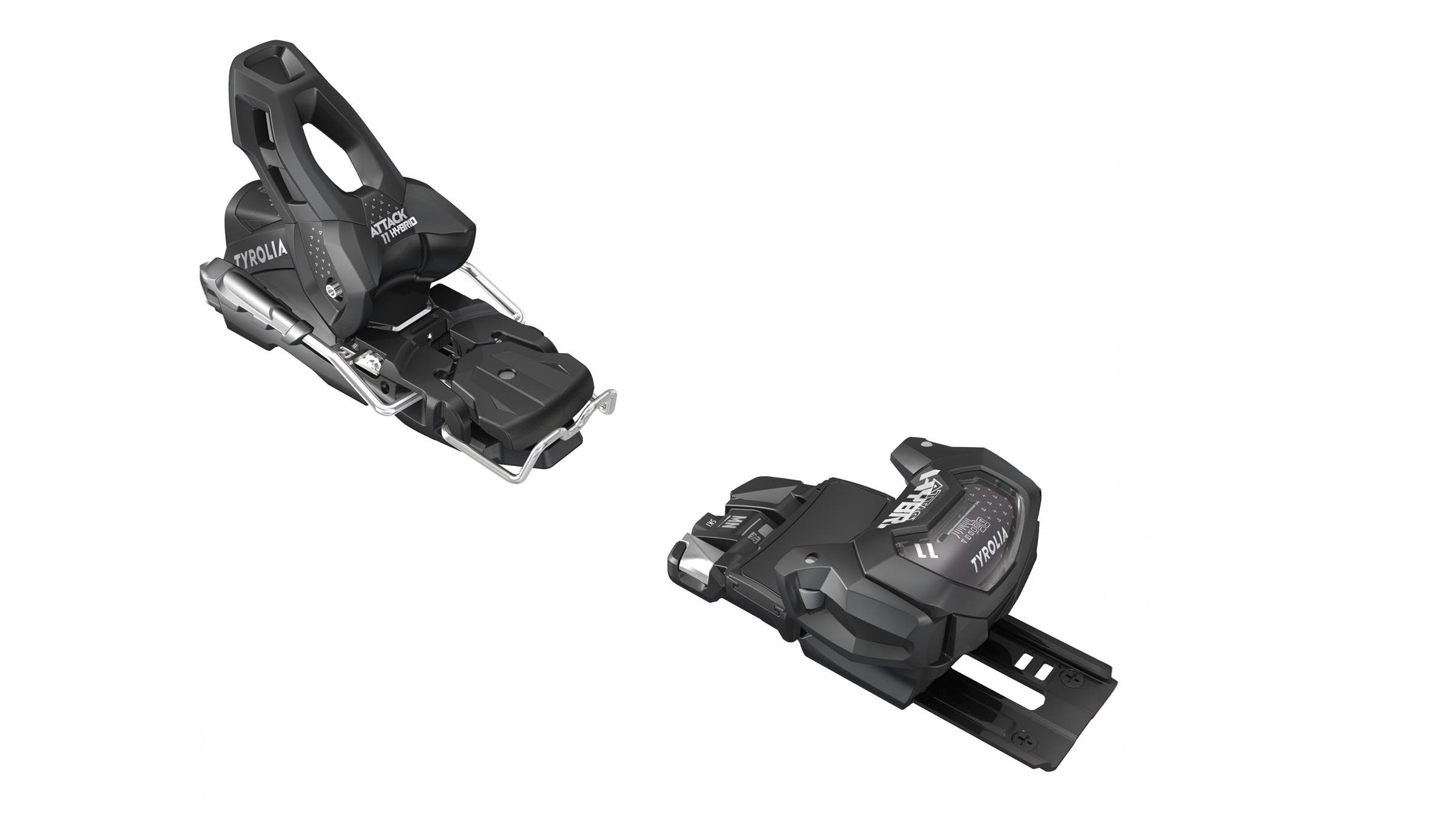
Tyrolia Attack Hybrid MN/PT
Boot Sole Compatibility: Alpine, GripWalk, Alpine Touring
DIN Range: 4-14 (Attack Hybrid 14 MN/PT); 3-11 (Attack Hybrid 11 MN/PT)
Weight (each): 880 g (hike); 1,125 g (ski)
Pros and Cons
+ Transforms between touring and alpine binding
+ Lightweight
– Expensive
To create a unique new binding for 2026, Head combined two of its flagship models—the Attack alpine binding and the Almonte touring model—into a hybrid system that transitions between uphill and downhill modes. With a single click (no tools required), skiers can swap the toe piece between the tech toe for touring and the Attack toe piece for more secure downhill charging. It’s a clever solution for skiers who want one setup for both inbounds and backcountry travel without compromising uphill or downhill performance. One note: Backcountry skiers who want to use the Attack toe piece for the descent will need to carry it with them on the climb. The new Attack Hybrid comes in two DIN models (14 and 11), both compatible with GripWalk, alpine, and touring boots.
Most Streamlined
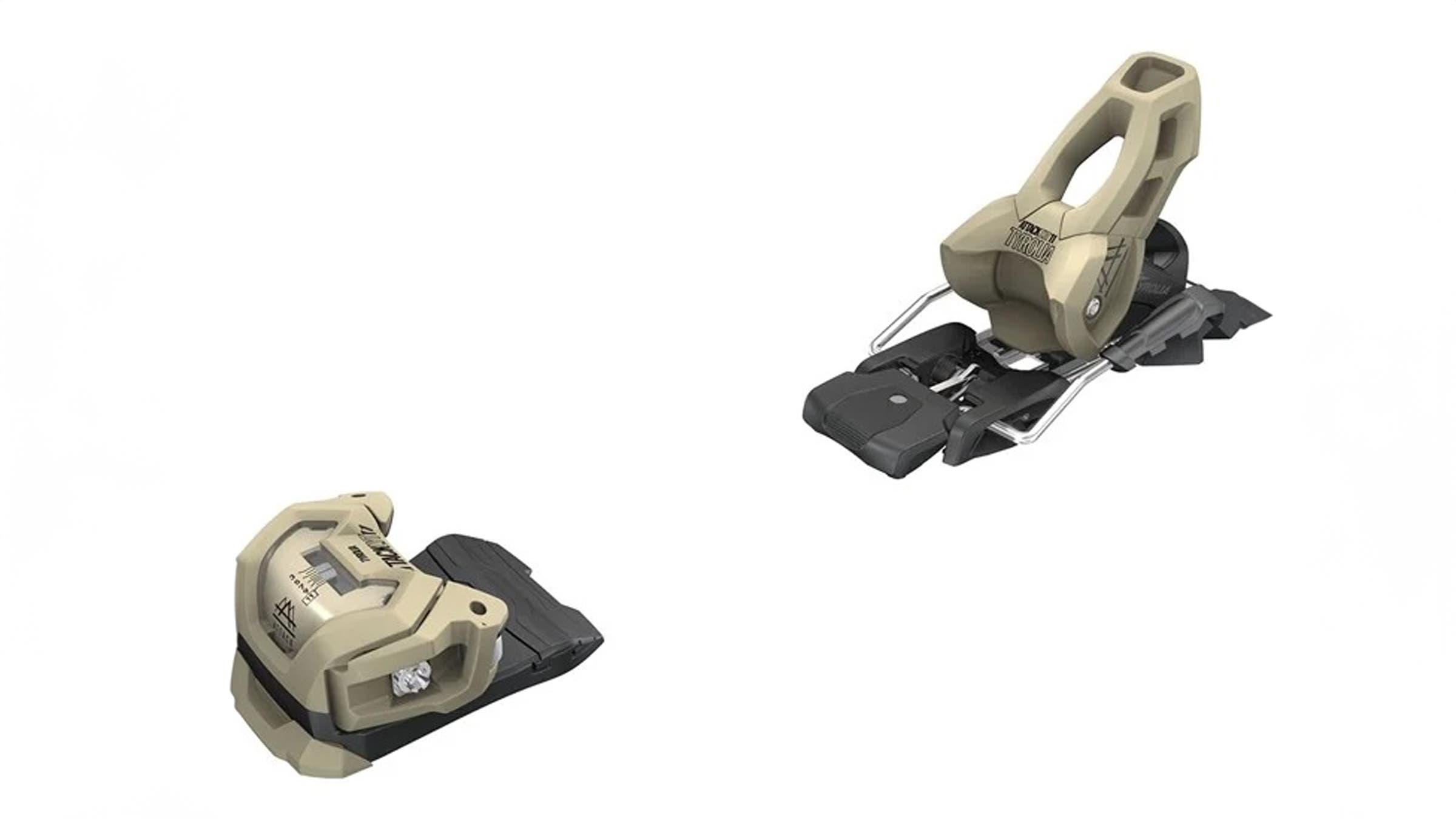
Tyrolia Attack LYT GW
Boot Sole Compatibility: Alpine, GripWalk
DIN Range: 3.5-12 (Attack LYT 12); 3-11 (Attack LYT 11); 2-9 (Attack LYT 9)
Weight (each): 960 g
Pros and Cons
+ Lightweight
+ Affordable
– Lower DIN ranges
Lighter, less-aggressive resort skiers should take a hard look at the Tyrolia Attack LYT GW. This lightweight binding—available in three DIN options (12, 11, and 9) and compatible with both GripWalk and alpine boots—is an affordable choice for anyone who doesn’t need the burliest setup. With automatic toe-height adjustment for GripWalk and alpine soles, the Attack LYT GW is also exceptionally user-friendly. Heavier, harder-charging skiers may want to look elsewhere, but for budget-conscious riders and those who ski with finesse, the Tyrolia Attack LYT GW is a solid pick.
FAQ: Ski Boot/Binding Compatibility
Not all ski boots work with all ski bindings. Here’s what you need to know to make sure you have a compatible setup.
What is GripWalk?
GripWalk refers to a boot-sole and binding system (developed by Marker in 2016) that uses a rubber, rockered sole to improve walking comfort and safety. On a boot, “GripWalk” means it has a rockered rubber sole; GripWalk bindings (often labelled “GW”) are designed to interface properly with those soles (and also support standard alpine soles).
ADVERTISEMENT
How do I know if a binding is GripWalk-compatible?
Look for a “GripWalk” or “GW” logo in the ski binding name or on the toe piece of the binding. Bindings without that marking—especially older alpine bindings—are likely not GripWalk-compatible.
Why does GripWalk matter when matching boots and bindings?
If you pair a GripWalk-soled boot with a non-GripWalk (traditional alpine) binding, the interface can become misaligned — increasing pressure at the toe piece, which can prevent the binding from releasing properly in a fall. That significantly raises the risk of serious injury. Because many new ski boots now come with GripWalk soles, it’s important to ensure your bindings are compatible.
ADVERTISEMENT
What’s a “multi-norm” (MNC) binding?
A multi-norm compatible (MNC) binding is designed to accept traditional alpine boots (ISO 5355), GripWalk-soled boots (ISO 23223), and many alpine touring (AT) or hybrid boots (ISO 9523). That flexibility means if you change boot types later, you’re less likely to need new bindings.
If I buy GripWalk-soled boots, do I have to get new bindings?
If your current bindings are not GripWalk-compatible, yes, you should upgrade. Using old bindings with GripWalk boots can compromise release function and increase injury risk.
ADVERTISEMENT
If your bindings are MNC (or otherwise GripWalk-compatible), then they can typically handle GripWalk soles—but you should still ensure they’re properly adjusted by a qualified ski tech.
Does upgrading bindings improve anything besides compatibility?
Yes. Modern bindings often offer better boot-to-ski contact for control, use lighter and stronger materials, and sometimes include features like knee protection technology, which can reduce your risk of sustaining knee-injuries in a fall. So upgrading bindings can meaningfully raise the overall performance and safety of your ski setup.
More from the 2026 Winter Gear Guide
The Best Alpine Boots
The Best Backcountry Boots
The Best All-Mountain Skis
