Updated July 11, 2025 05:41AM
If you buy through our links, we may earn an affiliate commission. This supports our mission to get more people active and outside.Learn about Outside Online's affiliate link policy
When It's Safe to Reuse or Repair Your Ski Gear, And When You Need to Replace It
Now's the time to stock of what gear is still in good shape, and what pieces need some TLC before the snow starts flying again.
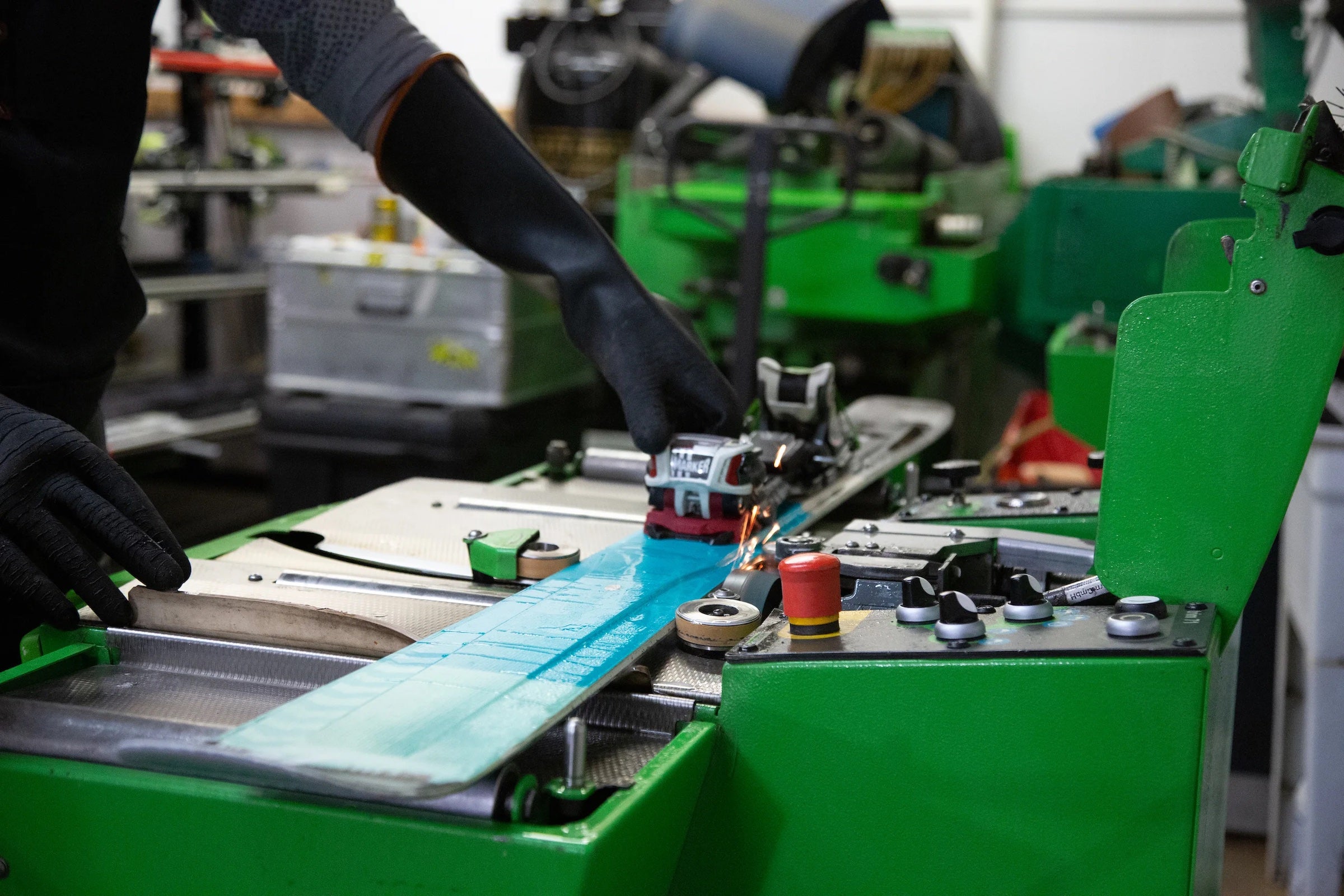
(Photo: Keri Bascetta)
Most skiers start thinking about skiing and the condition of their ski gear in September, right before ski areas open for the season. But savvy skiers start thinking about the condition of their equipment at the tail end of the current ski season, when ski shops around the country try to unload surplus inventory.
Be the savvy skier: Use the post-season to take stock of your ski gear and consider what’s in good shape, what pieces may need some TLC, and what items will need to be replaced before you hit the slopes again. If you plan ahead, you’ll not only reap the benefits of end-of-season sales, but you may end up salvaging gear items that may become a lost cause after a long summer of sitting in storage. Use this gear checklist to help you determine what can be reused, what can be repaired, and what should be replaced before the snow starts falling again.
Skis
Skis have a relatively long lifespan. Most people end up replacing their skis because they’ve decided they want or need a different style of ski to tackle the conditions they ski most often. If you take good care of your skis by regularly waxing and maintaining your edges, your skis should last you many seasons. However, it’s still important to give your skis a once-over at the end of the season to make sure your skis don’t require any major maintenance before you hit the slopes again. The following are examples of major issues to be on the lookout for:
Related: How to Wax Your Skis
ADVERTISEMENT
Ski damage that can be repaired
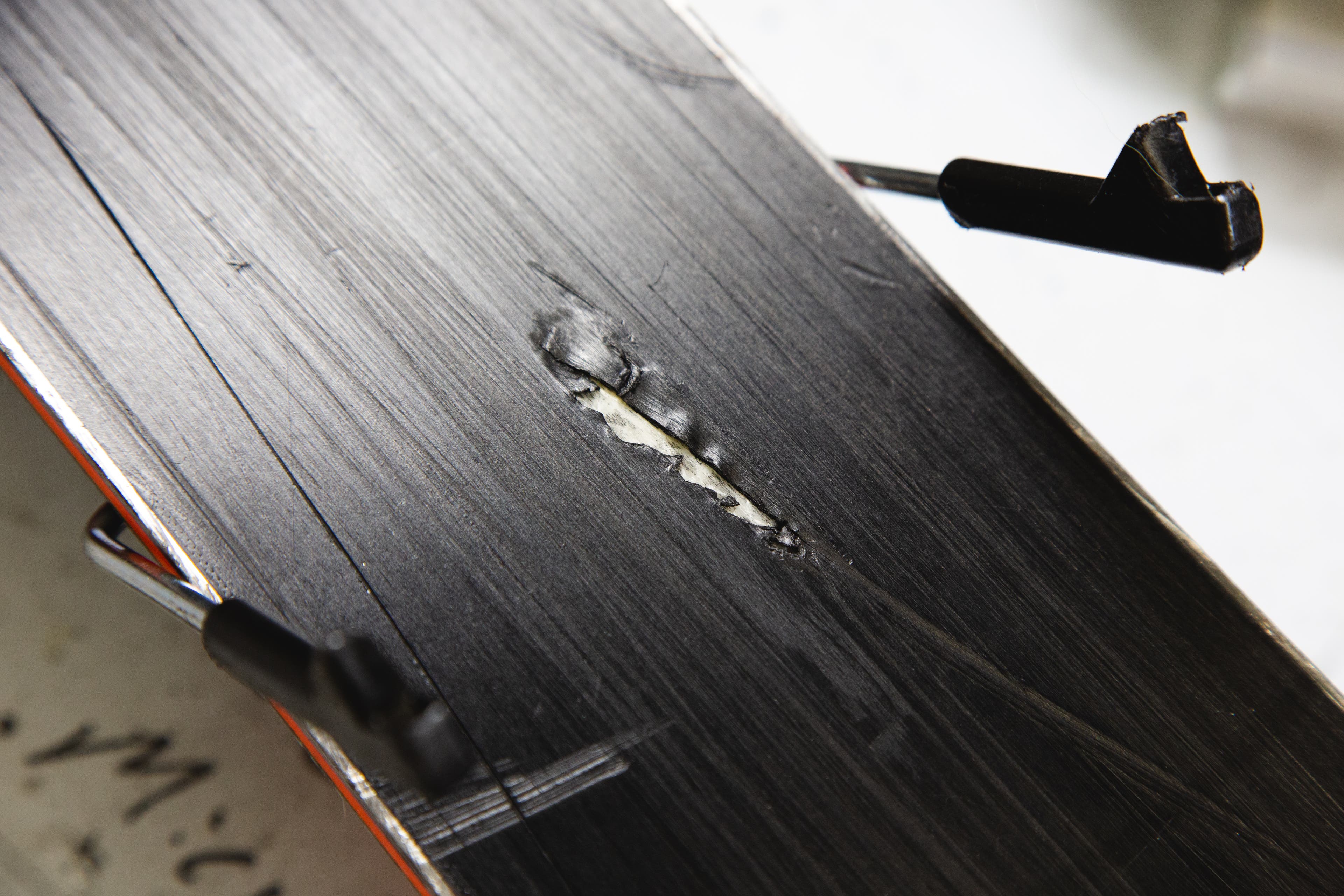
- Core shot: A major gouge in the base of your ski that exposes your ski’s core material. This should be addressed as soon as possible to prevent moisture from rotting the wood core of your ski. While you can fill shallower scratches with P-Tex yourself, core shots should be fixed by professional ski technicians, as they will likely need to do a base weld on the area to create a solid seal.
- Warped bases: Over the course of the season your skis’ bases can become warped, meaning the bases are no longer flat across the width of the ski. This can be caused by frequent use or the way you transport and store your skis. There’s a simple test to determine whether bases are warped: Wax your skis and observe whether the hot wax spreads evenly across the width of your ski. If it doesn’t, your bases are warped and your skis need to be fed through a stone grinder to reset the base edges and flatten the base material.
- Rusty edges: Rust accumulates on ski edges that haven’t been wiped down after the last use. While rust patches look ugly, they’re quick and easy to get rid of yourself. Just take a gummy stone to your edges and gently polish the affected area.
Related: 3 Ski Tuning Myths Debunked
Ski damage that can’t be fixed
- Cracked sidewall: Forceful impact can also crack a ski’s sidewall, leaving the edge and core of the ski exposed and vulnerable to moisture. There’s no glue strong enough to fix the cracked sidewall in the image above.
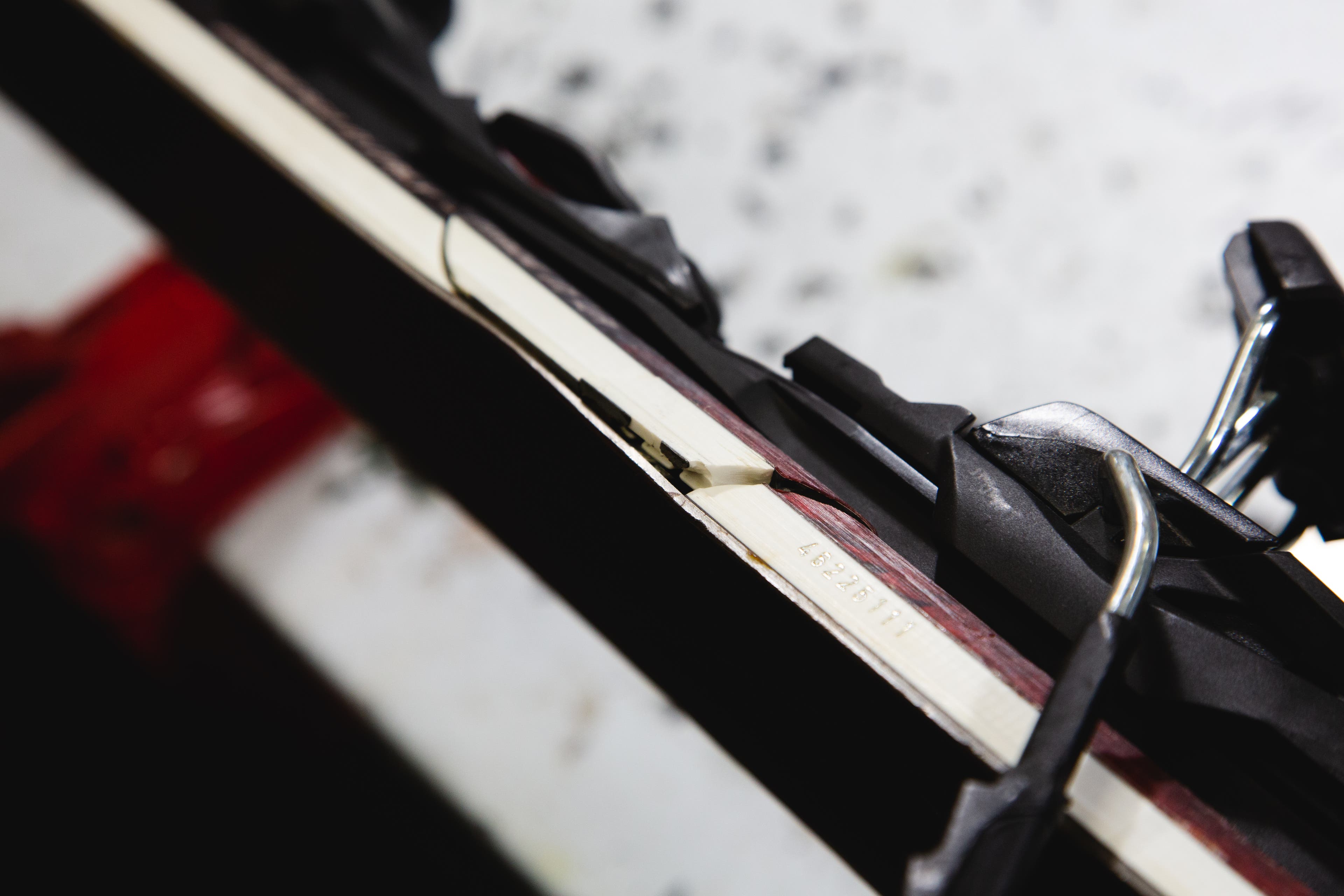
- Compressed edges: Hard impact, such as landing on a rock, can compress a ski edge if the force is great enough, leaving a slight wave or major dent in your ski’s edge. Compressed edges are nearly impossible to fix completely. To extend the life of a ski with a compressed edge, some opt to only ski the affected ski compressed edge out—i.e. if the compressed edge is on the right edge of the ski, this ski becomes your right ski, so that you never ski the damaged outside edge. In the long run, the only fix for a compressed edge is a new set of a skis. The above image shows an extreme example of a compressed edge below a cracked sidewall. The edge below the sidewall has a noticeable wave in it below the damaged sidewall area (edge is convex).
- Delaminated edges: In rare or severe cases, a high-force impact can completely separate an edge from the ski’s sidewall. More common, however, is that an edge peels away from the sidewall because the glue that holds the two together has weakened or completely eroded. While skilled ski technicians can give your ski a “combat tune” by applying more glue to reaffix the edge to the sidewall, chances are the edge will just peel away again over time.
Helmet
Did you take some hard knocks this season? If so, consider replacing your helmet for next season. Helmets aren’t designed to withstand multiple hard hits. If you crashed and hit your head hard this season, chances are the integrity of your helmet was compromised. And take it from us—if there’s one piece of gear you don’t want to skimp on, it’s your helmet. Get yourself a new lid with MIPS or an equivalent impact protection system.
If you think your helmet is fine but smelling a little funky, it may just need a good scrubbing. While you shouldn’t throw your helmet in the washing machine, most helmets these days do come with a removable liner that can (and probably should) go in the wash. You may also want to hand-wash the webbing and buckle of your helmet. Those pieces see a lot of sweat and grime—just a thought.
ADVERTISEMENT
Related: What is MIPS?
Outerwear
Snagged a tree this season? Remember that outerwear that has holes or broken zippers doesn’t necessarily need to be pitched—you can find heavy-duty patches designed for technical outerwear and fix holes yourself, and a tailor worth his or her salt can replace zippers for you.
These days, many brands like Arcteryx, Eddie Bauer, Columbia, Dakine, etc. also offer a limited or lifetime warranty and will happily repair or replace your damaged gear and send it back to you, good as new. Some outdoor retail shops like REI also offer professional repair services of technical fabrics. For repairs that you know are feasible but are above your head, check out Rainy Pass Repair, REI’s third-party repair partner.
Lastly, never underestimate the power of a thorough washing and re-waterproofing. Think your jacket, pants or midlayers are on their last legs? Spot-treat stains regularly, reapply DWR treatment at least once per season, and give your outerwear a good washing with cleaning products specifically designed for technical outerwear once or twice a season.
ADVERTISEMENT
Our favorite outerwear care and repair products
- For hard shells – Nikwax Tech Wash
- For waterproofing – Nikwax TX.Direct Spray-On Water Repellent Treatment
- For down layers – Nikwax Down Wash Direct
- For holes and tears – Gear Aid Tenacious Tape Repair Patches
- For broken zippers – Gear Aid Zipper Repair Kit
Ski Boots
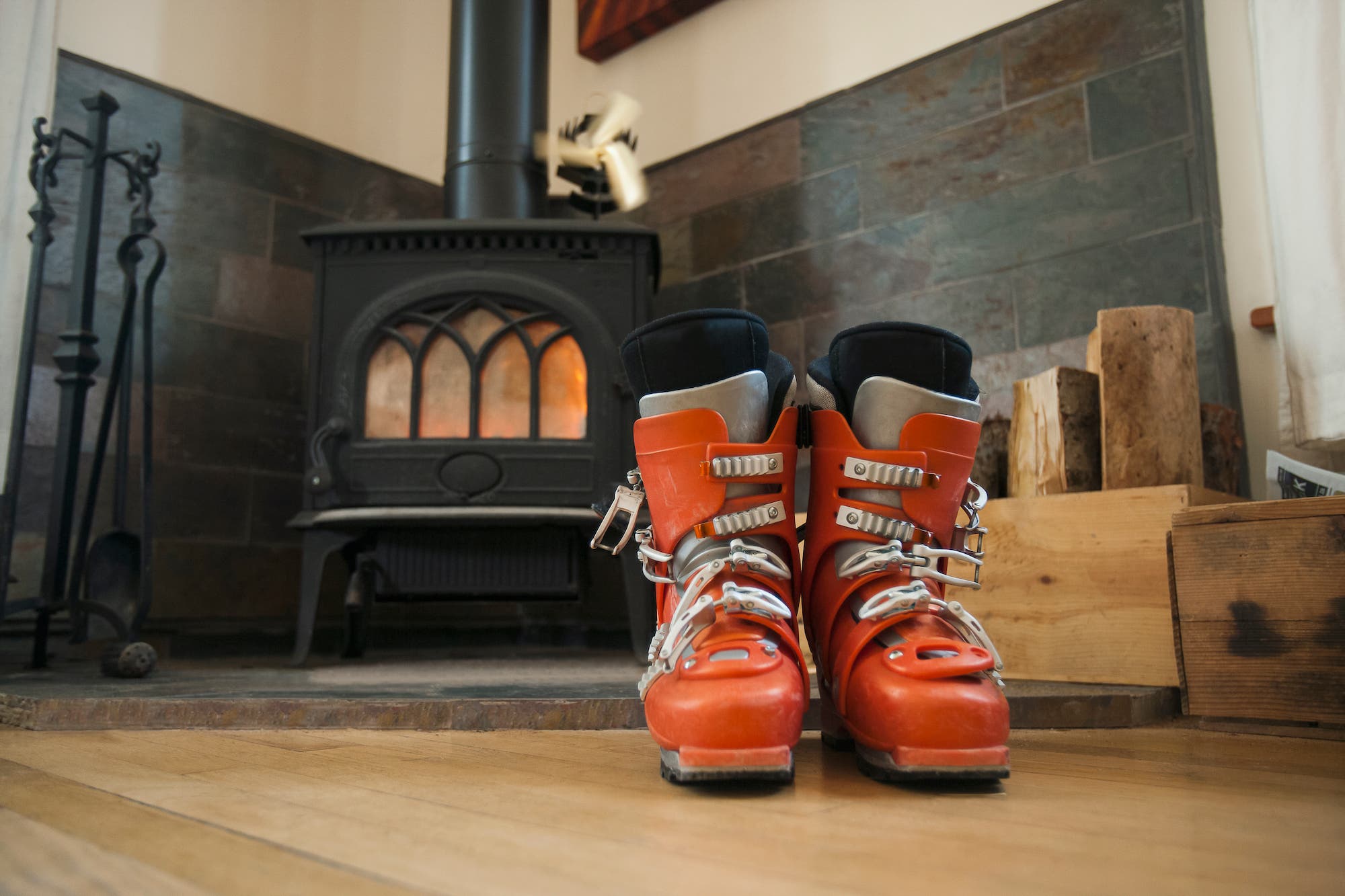
If your ski boots are multiple seasons-old, check their soles to assess wear and tear. Traditional alpine boots without GripWalk soles tend to wear faster, eventually leaving the plastic of the toe and heel pieces rounded and unsafe to use. If you discover a worn toe and/or heel, check to see if these pieces are removable and replaceable. If not, it’s time to start shopping for new ski boots.
Related: How old is too old for ski boots?
Additionally, ski boot liners may need to be replaced after extended use. If you felt your foot moving around too much within your boot, your liner may be packed out, leaving too much volume in your shell. If you think your liners have reached the end of their life, consider shopping for a new set of after-market options like Intuition, Surefoot, and Zipfit liners. These customizable liners can extend the life of your ski boots and increase your skiing performance next season by firmly locking your feet in place within your ski boot shell.
If you determine your gear has reached the end of its ski life, don’t let it be landfill fodder. If outerwear is still in wearable condition, donate it to local charitable organizations. If you’re trying to unload hardgoods like skis and boots that can no longer be safely used, call your local ski shop to see if they can responsibly recycle the products for you. If not, your backyard could probably use an Adirondack ski chair.
