Updated December 3, 2024 07:42PM
You Want to Ski Norway Next Season. Here's Why—and How.
A guide to Norway's legendary skiing culture, from lift-served ski areas to scenic backcountry trips and everything in between.
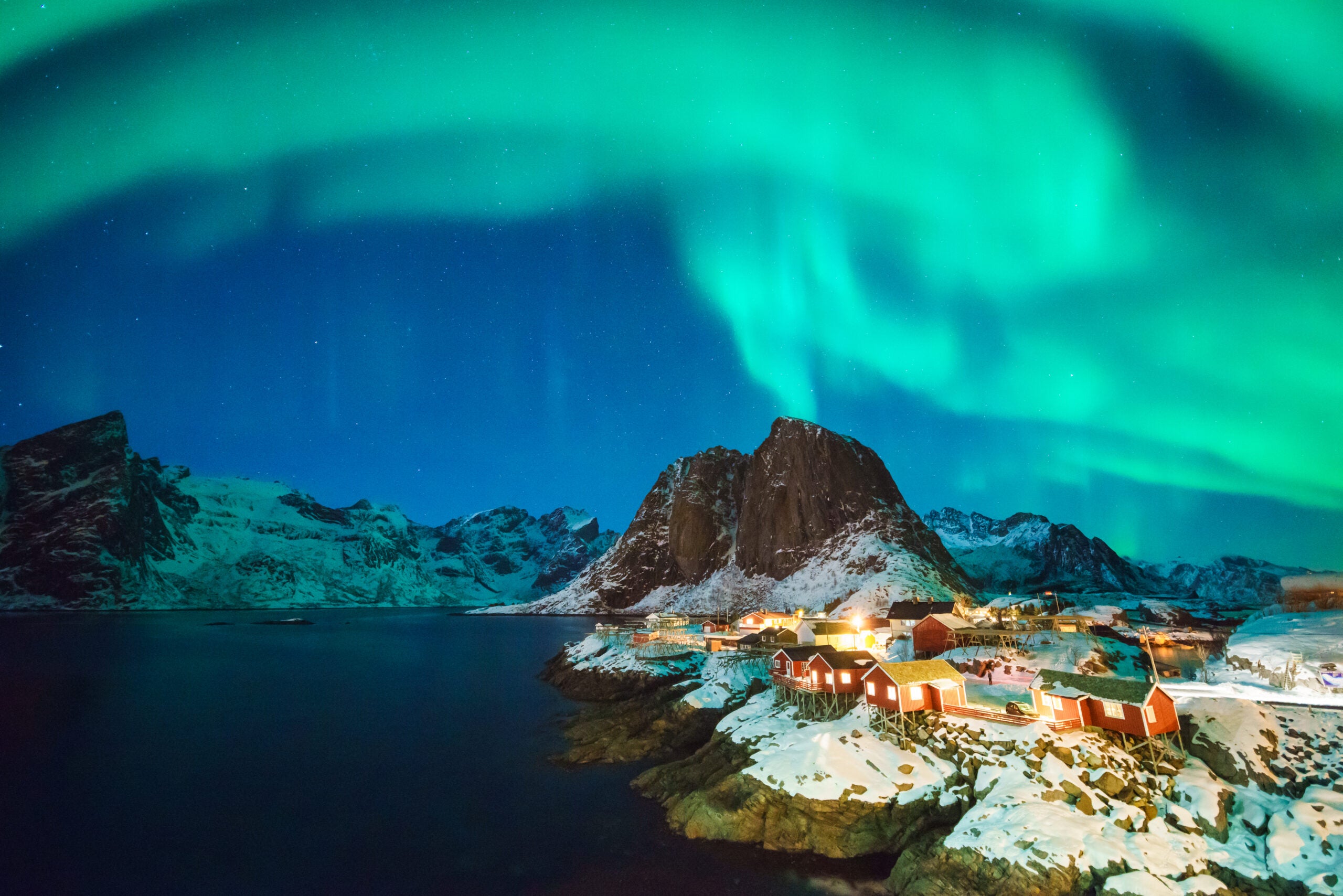
Colorful northern lights (Photo: Getty Images)
The true heart of skiing—and we’ll boldly venture to say in all the world—lies in the small country of Norway. Norway’s old-world charm, jaw-dropping topography, and exceedingly outdoorsy population make a ski trip here a wonderful, rewarding immersion into one of the oldest ski cultures and best skiing in the world. This country of five million people is bursting at the seams with skiing and skiers of every type, which is to be expected with more than 125 ski resorts, a sprawling interconnected network of groomed Nordic trails that undoubtedly bests many nations’ highway infrastructure, and a huge skiing population. That must be why there are skis leaning outside of seemingly every house.
That’s all because skiing has been part of Norwegian life and history for thousands of years. First as a winter travel and hunting method, it’s also where in the 1800s, not just modern recreational skiing was born, but the notion of après-ski, and equipment meant specifically for downhill fun. Those innovations include the cambered ski and a binding with an innovative heel attachment (named for Norway’s Telemark area) for better control. There’s a reason why during every winter Olympics, Norway defies small numbers and hauls home treasure chests of medals in every ski discipline.
Suffice it to say, to be able to visit Norway as a skier is to experience not just skiing, but the culture and community through its truest lens: not as a business, not as a novelty tourism attraction or soulless luxury gambit, but as a joyful pastime and way of life.
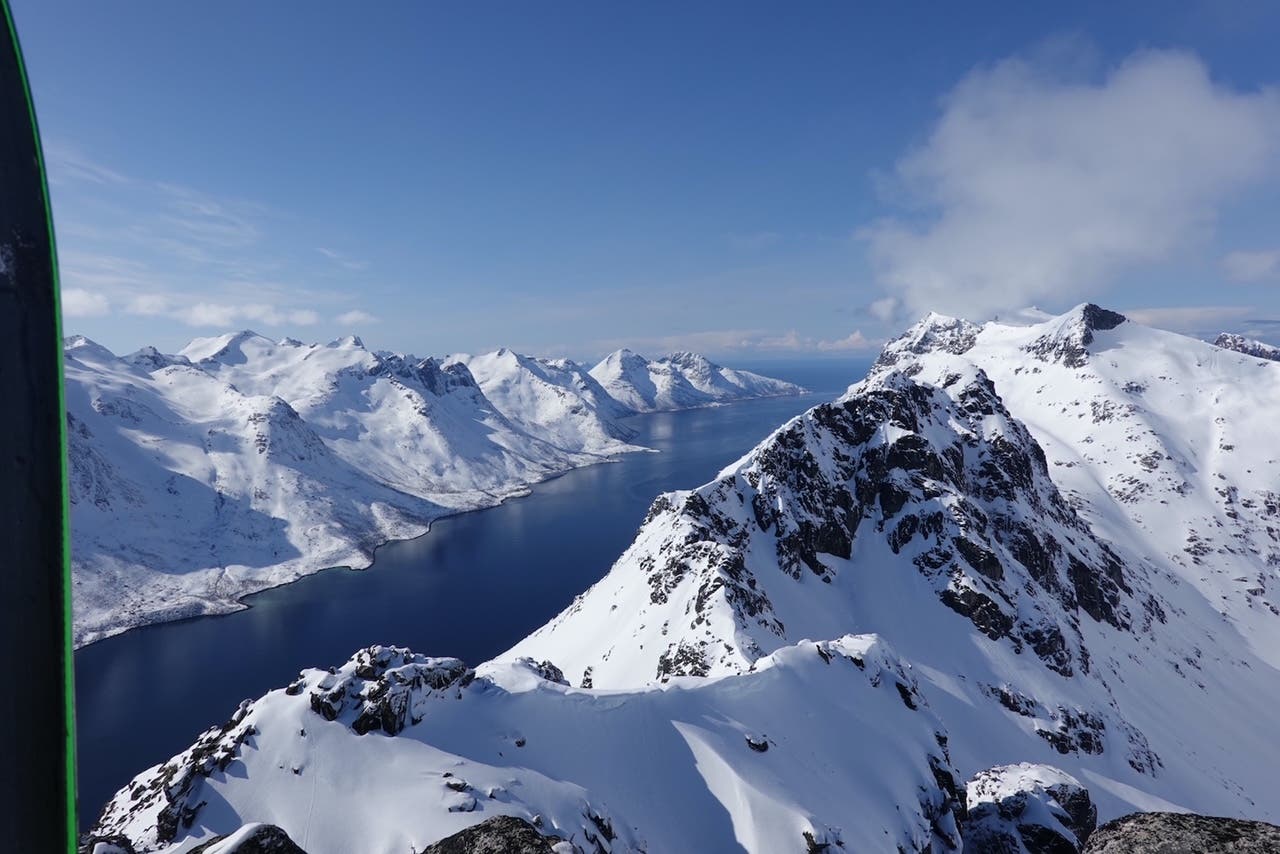
Outside of developed resorts and trails, backcountry ski options with stunning tours, summits, and traverses, and guide services are everywhere. Amazing variations in the glacially carved landscape makes epic, gloriously beautiful ski touring opportunities accessible for (almost) all levels of skier, and an experience that should be at the top of every backcountry skier’s list.
It may seem off the beaten path compared to iconic ski resorts in Central Europe’s Alps, but don’t be intimidated. The capital city of Oslo is easy to fly into, a train network connects to cities and towns around the south, and frequent, inexpensive air service is to places farther afield (the coastline, mountainous landscape and fjords make air travel the best option by far to access many places, especially North Norway). Norwegians are generally reserved at first, but friendly and polite, and most Norwegians speak excellent English.
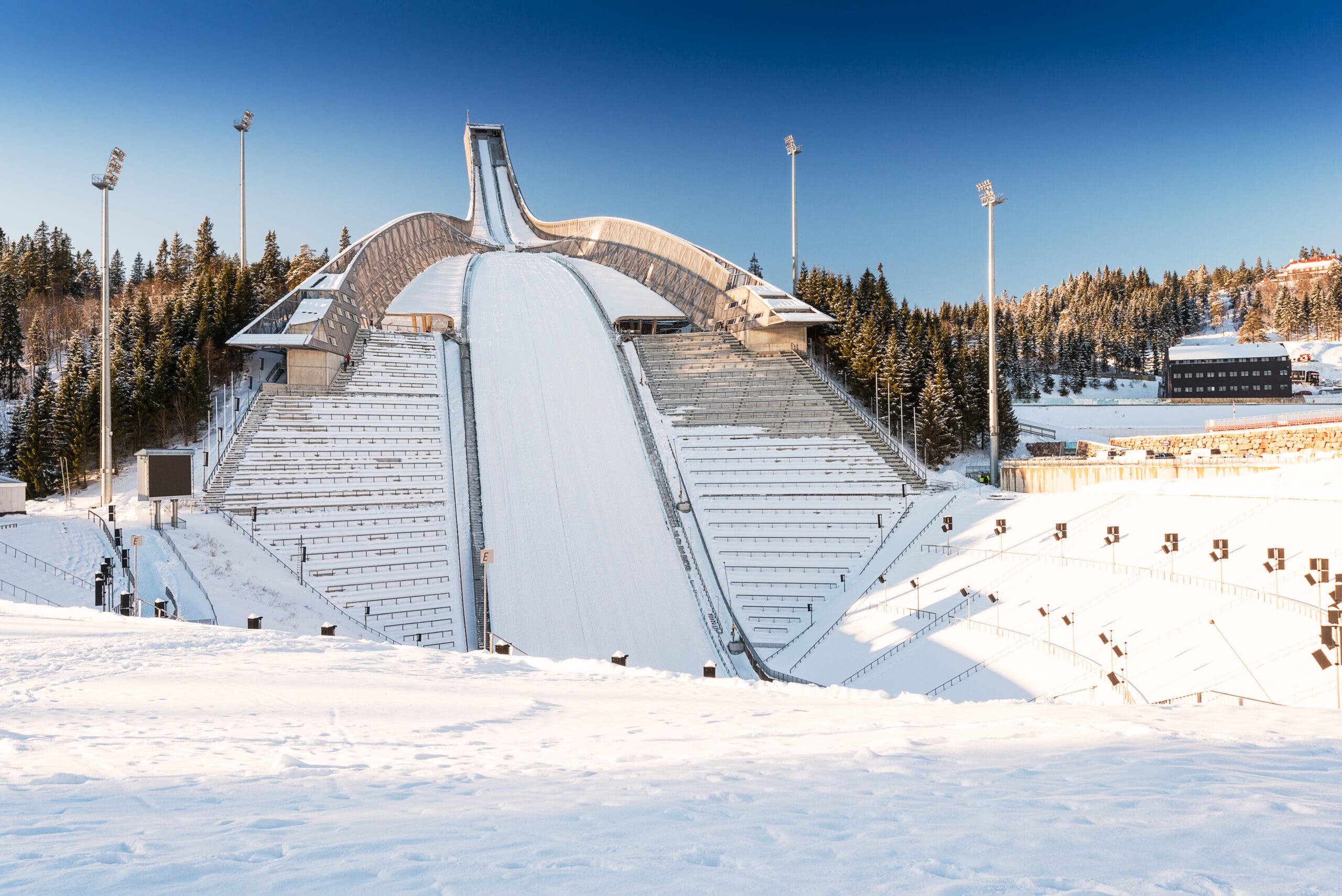
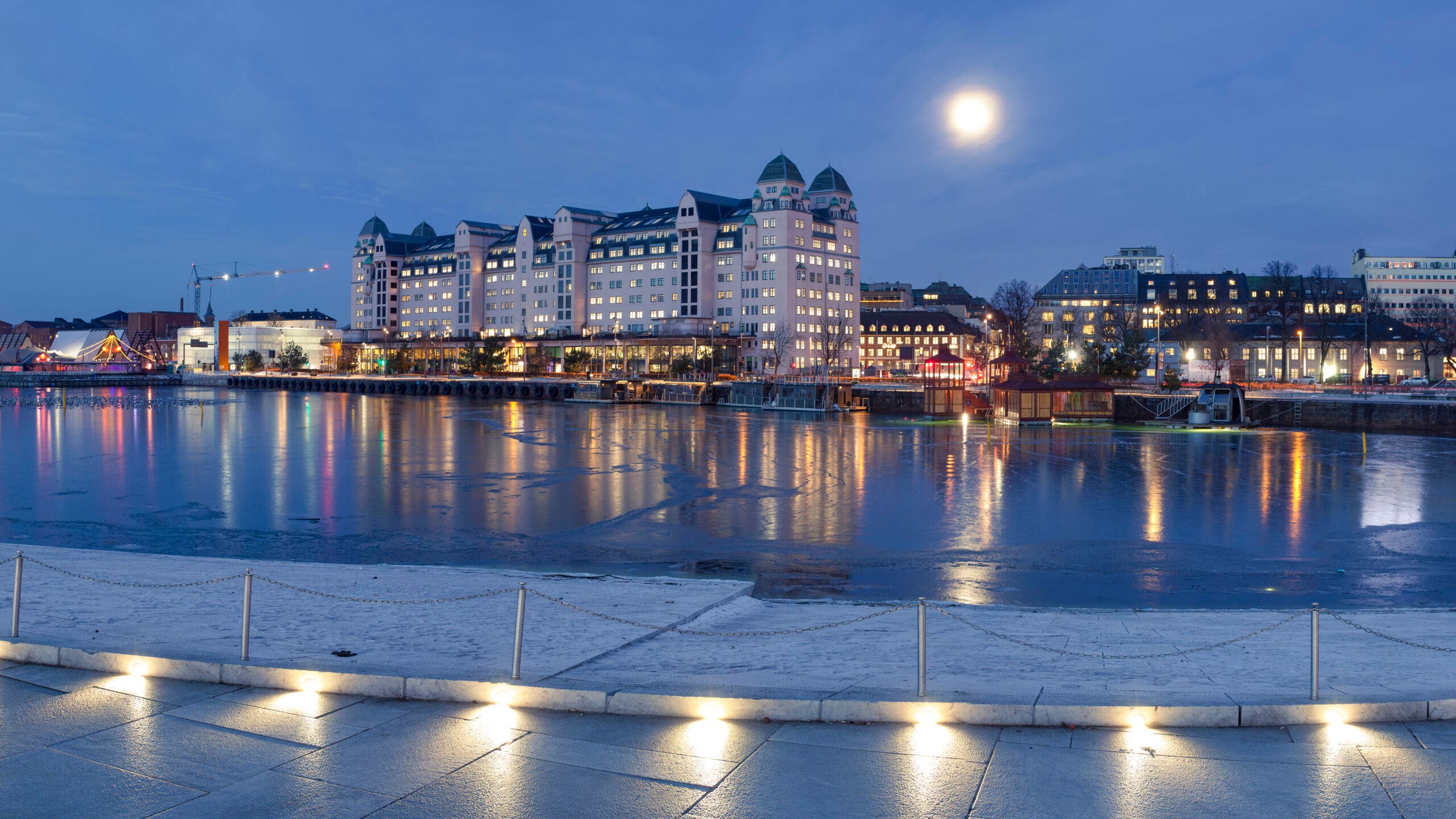
Any ski trip should include a couple days in Oslo, a sublime coastal city that meshes sleekly modern Nordic architecture with historic buildings, shopping, museums, and high-end and avant-garde eateries. You can even ski right here, too. The Oslo Ski Center has downhill trails and terrain parks, and there’s a network of maintained Nordic trails around the city. Stop by the famed Holmenkollen—one of the world’s most revered ski jumps—for a moment of awe.
When you’re ready to dive into the famed alpine ski runs and fjord-riddled scenery, there are a handful of major ski resorts to hit. While we mention a few below, it’s by no means a complete list. Traditional Norwegian ski-weekend accommodations are small, wooden cabins, but resorts also offer Western-style hotels and amenities like spas and saunas. And while the ubiquitous burger and fries can be had in most places, go local instead. Excellent Norwegian preparations of reindeer, berry sauces, fish, fish, fish—from jerky to fresh from the ocean filets—local aquavit, a clear, herbed liquor from the days of the Vikings, should all be on your menu. Do try the brown cheese, a caramelized, semi-hard cheese that’s a beloved, very Norwegian staple.
Traditionally, Norway has a reputation for being über expensive, but right now, the dollar is strong against the kroner, and skiing in general is much cheaper than in North America. One important detail is alcohol is highly taxed, whether you are buying beer in the store or at a bar, beware of sticker shock. Nonetheless, there are excellent local beers (øl in Norwegian; skål is cheers), from Mack Øl to Nøgne Ø, a popular microbrewery. Here, we’ve highlighted just a few bucket list options to get you started.
ADVERTISEMENT
Off the Beaten Path: How To Ski Norway
The Resorts + Where to Stay
Three hours from Oslo by train or by car is Geilo, one of the oldest ski areas in the country and a favorite of Hallingdal locals and Oslo residents alike. Like many larger ski resorts it offers hotels in the base village, as well as a plethora of charming, traditional wooden ski cabins. Geilo’s village offers shopping and ski shops, and cozy restaurants and bars such as Café Mocca and Sofias Café & Bar. The skiing ranges from terrain parks to perfect groomers and off-piste skiing in birch forests for experts, as well as access to backcountry skiing from the resort.
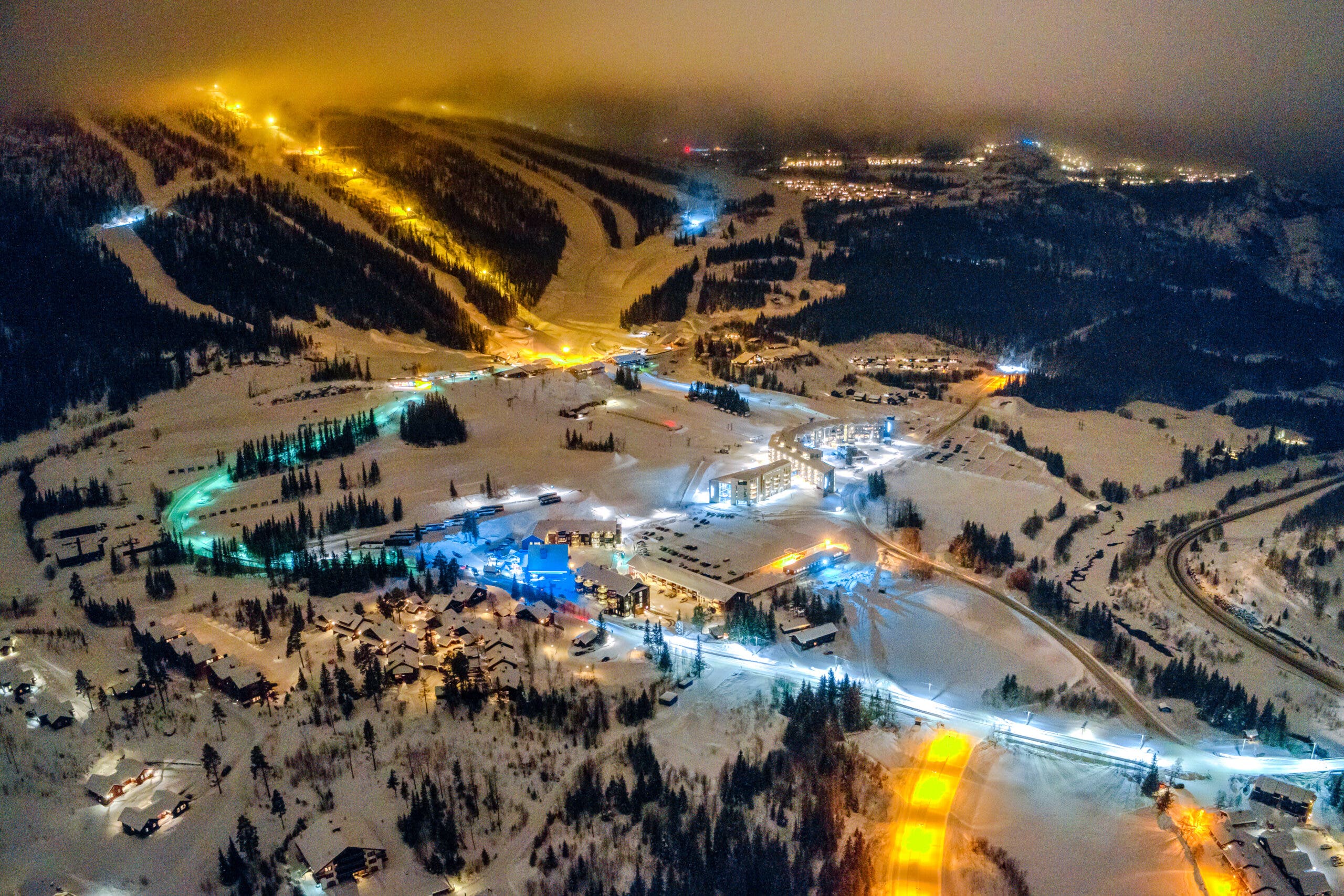
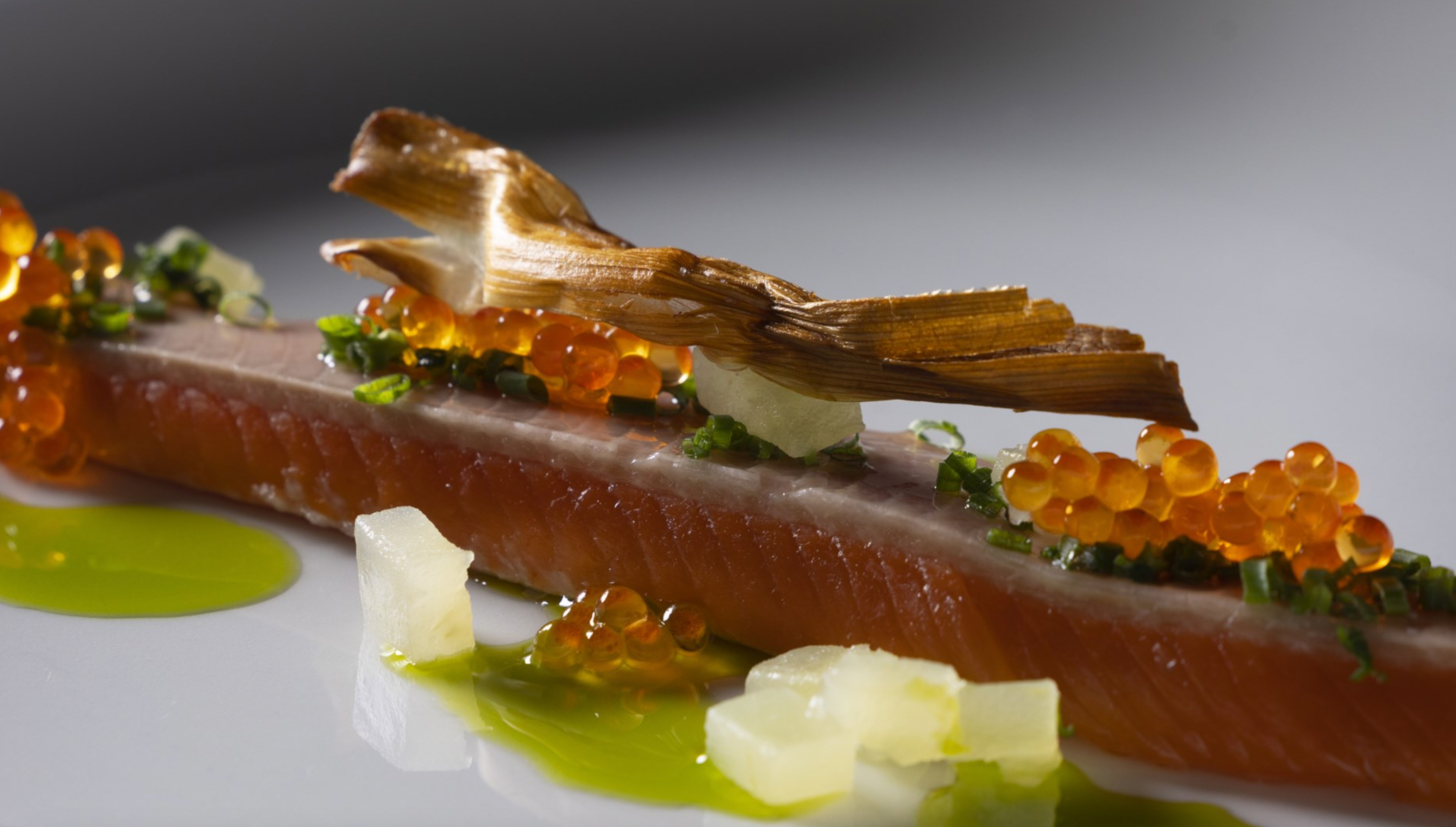
Hemsedal, Norway’s second-largest ski area, boasts 20 lifts and is set in an area called the Scandinavian Alps because of its dramatic cliffs and snowy peaks. About 3.5 hours from Oslo by train and a short taxi ride, Hemsedal has wide open slopes, multiple terrain parks, and a bustling village with nightlife and shopping. You can also stay on-mountain at Skigaarden, luxurious alpine accommodations and culinary delights crafted from local products by renowned chef Jørgen Kolderup.
For lift-served skiing above fjords and charming, colorful fishing villages, hop a quick flight to Ålesund, and head to Strandafjellet. This small but wonderful ski area is an amazing base for alpine skiing adventuring, and absorbing the epic beauty of the dramatic west coast fjords. While alpine skiing stay at Stranda Hotel, but we highly recommend a side excursion (one hour drive) for a few days to Juvet Landscape Hotel, owned by the family of a former Freeride World Tour skier. For backcountry skiers, this environmentally friendly architectural marvel also accesses some great alpine tours in the Sunnemøre Alps.
ADVERTISEMENT
Ski Touring + Guiding Services
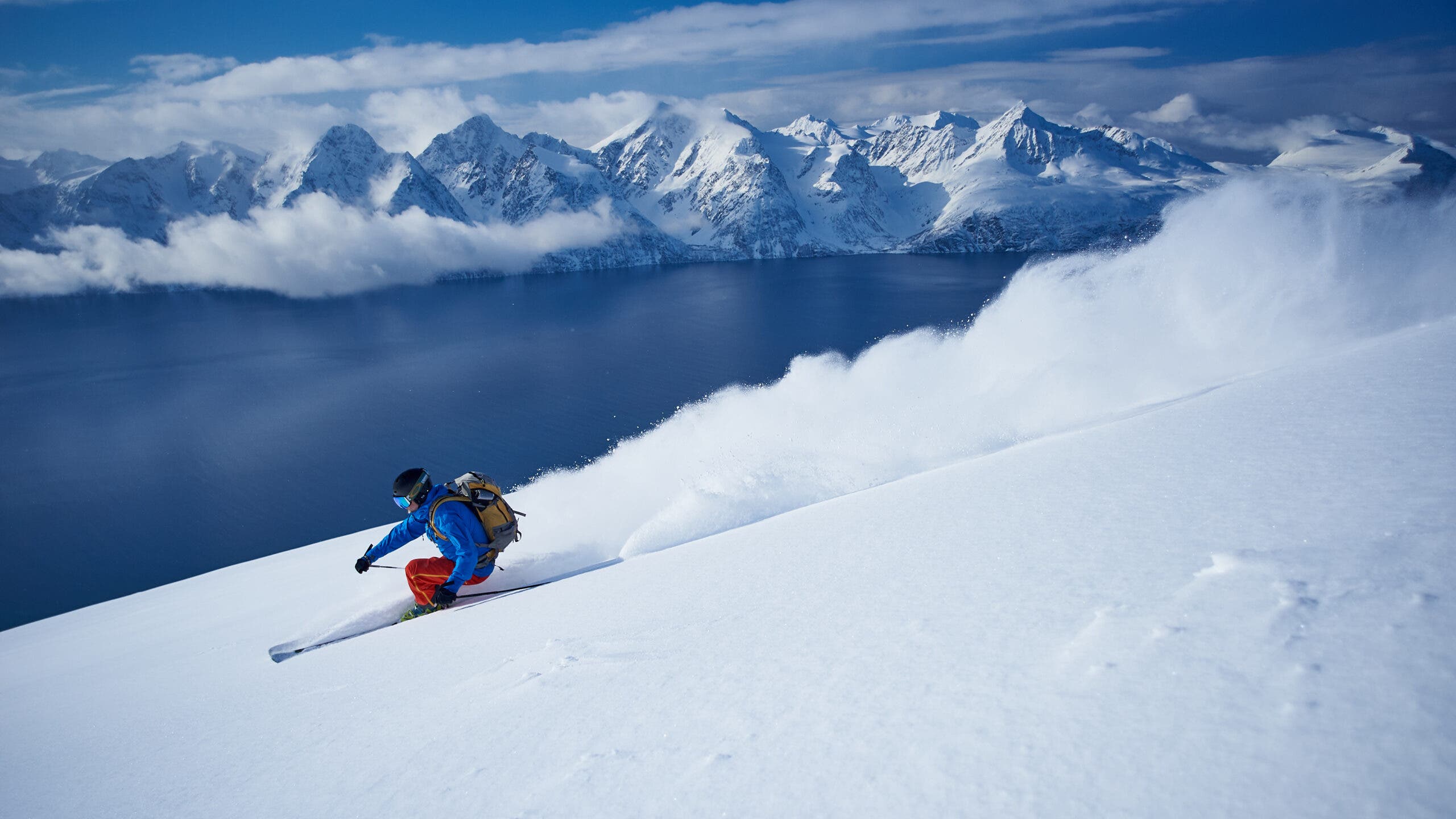
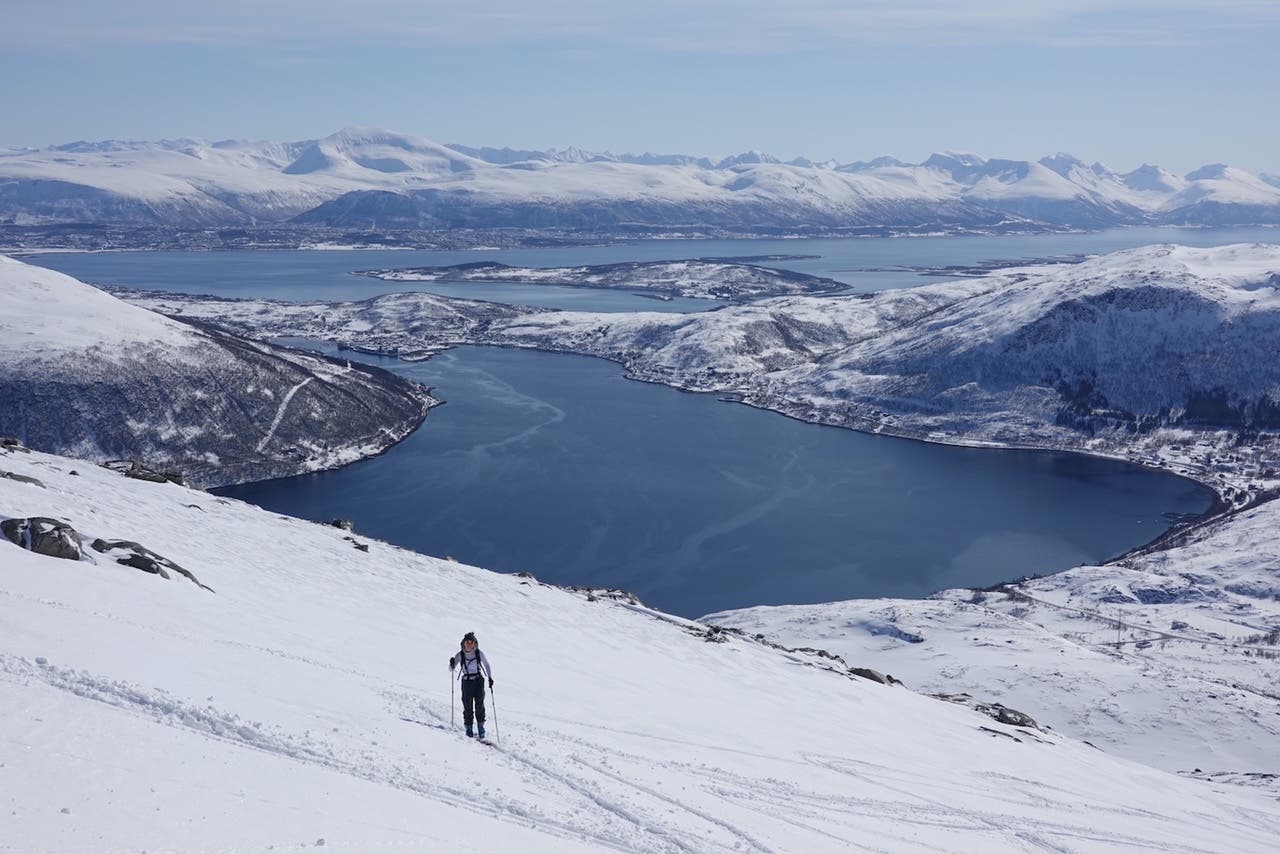
If your Norwegian dream is skiing from a killer summit to the edge of the sea, do not miss Northern Norway. A couple hours flight from Oslo to Harstad or Tromsø will drop you in a skiing wonderland that bests even the rest of Norway – no small feat. Here, dramatic, fjord laced, skiable mountains stretch as far as the eye can see. Most range from 1,500 to 5,000 feet of ascent from sea level—and yes, you are often starting from a beach, and no, you do not need to book a sailboat to bag said descents. However, the mountains and the seas create widely varying microclimates and spatial variability in the snowpack, so guides with local knowledge and experience are a must.
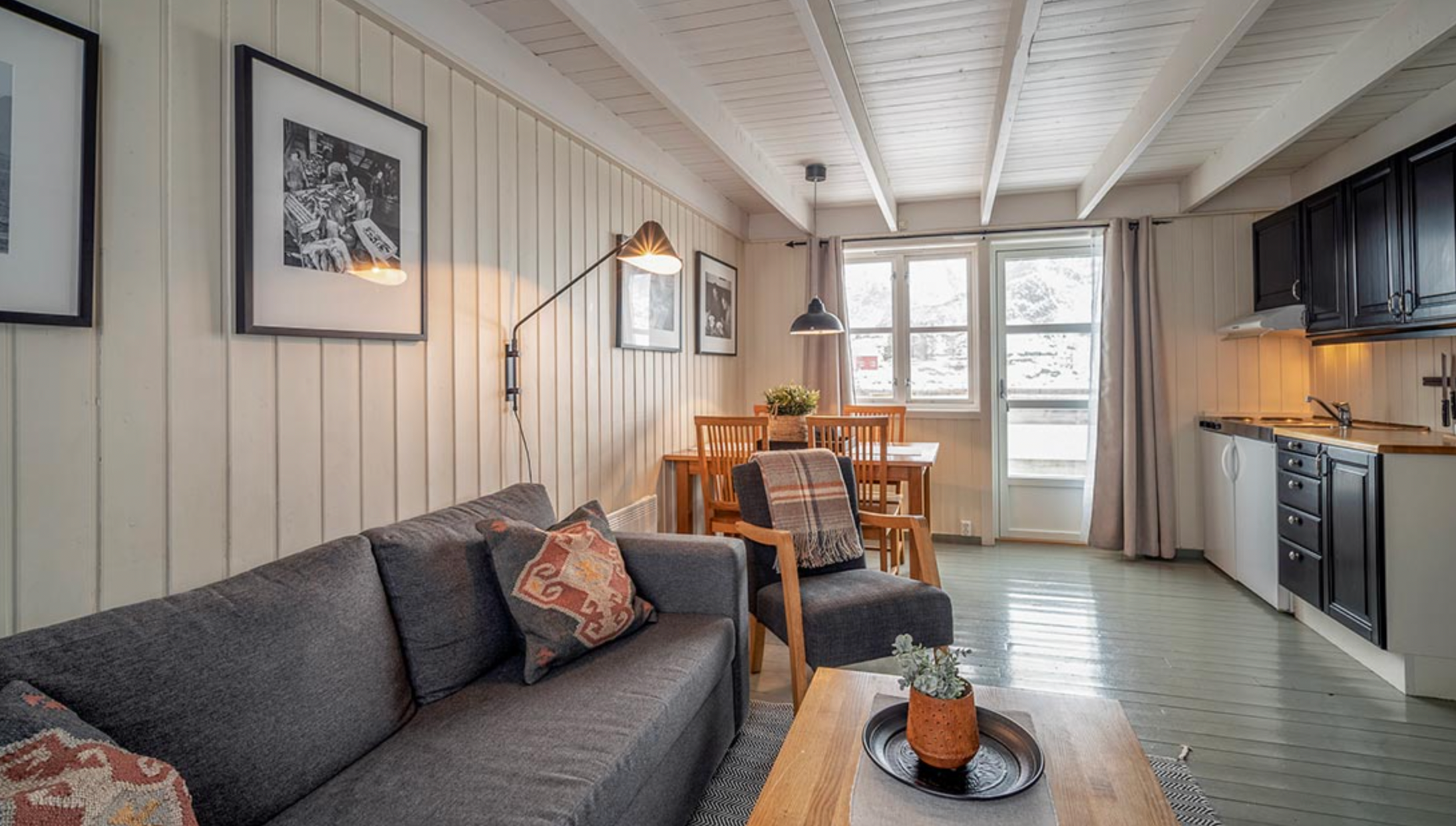
The main ski touring areas are the Lyngen Alps and the Lofoten Islands, and Norway’s incredible network of mountain huts along with guide services offering Nortind and IFMGA certified guides can deliver the ski trip of a lifetime. Check out Tromsø Ski Guides, Northern Alpine Guides, Narvik Guides, or look for certified independent ski guides. Great lodges to base at for both guided and self-guided trips are the Lyngen Lodge, Magic Mountain Lodge, and Lofoten Ski Lodge. And if you need a break from climbing uphill but not from the views and great snow, check out Narvikfjellet, a lovely ski resort near the small arctic city of Narvik.
Getting There + Around
Oslo Gardermoen (OSL) is Oslo’s main airport, and is serviced by most major U.S. and European airlines, as well as Scandinavian Airlines and Norwegian. For the most part, a flight into Oslo from the U.S. includes a stop at one of the large European hubs like Paris, Copenhagen, or Amsterdam, if you want to combine your ski trip with a little sightseeing.
Once in Oslo, domestic flights to other cities with skiing are inexpensive and frequent. Given the convoluted topography and high cost of gas, flight time will significantly trump driving for most trips over a couple hours from the city. The big car rental companies have offices at most major airports. Excellent train service starts from the airport and goes into the capital, which also has a metro system, and there is good train service to outlying towns and cities as well as bus lines.
ADVERTISEMENT
When to Go
Norway has a long ski season that runs from October to May, plus a few ski areas that stay open all summer as well as a year-round indoor ski center in Oslo. For trip planning, keep in mind that close to the winter solstice (Dec. 21), the days are very short throughout most of Norway, and the northern part of the country is in polar night (no daylight) from late November to mid-January. Most international travelers tend to go around the spring months of March, April, and May, but if you hope to see the Northern Lights, consider traveling when there is still enough darkness in the sky. And no matter what time of year you go, you’ll have company: Norwegians will be out skiing anytime and anywhere there is snow.